Monthly Archives: September 2017

Premade Book Covers: The Secret to Amazing Covers

When self-publishing a book, every author is faced with the dilemma of creating a book cover that is worthy of their writing. But most of us don’t have the money to hire a top-notch book design professional, or the tools and skills to create one ourselves. However, there is another way that many authors are finding is much cheaper and will guarantee your satisfaction: Premade book covers.

Premade book covers are book designs that a talented artist has created ahead of time. Like shopping for a dress in a store, you get to look at all they have to offer and select the cover you like best.

By using a premade book cover, you instantly sidestep many of the frustrations that come with original cover creation. There is no potential mismatch between an author’s vision and the artist’s output. The author knows exactly what they are purchasing. The cover is ready then and there, without any delay.

Some authors also find deeper reasons to use premade covers. A cover can be a source of inspiration and focus for a story. It can also help a writer push forward with their craft. Knowing that an attractive cover is ready and waiting for words to fill it is often inspirational.

If you think a premade cover is the right option for your work, you need to carefully consider the following.

Ensuring The Rights To A Premade Book Cover

Probably the biggest hurdle for most authors when considering a premade book cover is the worry that the cover won’t be unique.

After all, books are (or should be!) a labor of love. They represent months of careful crafting and blood, sweat, and tears from the author. What could be worse than purchasing a premade book cover and eventually seeing it on the work of another writer?

The first step to ensuring you have the unique rights to a cover is to make sure the service you are using actually makes this promise in writing. Don’t assume anything. Unless you can see a clear promise that the cover will be yours and yours alone, it probably won’t be!

You can also do your own due diligence. It’s worth carrying out an image search for the cover preview. If you see the image show up on a preexisting book which is actually being sold, that’s a huge red flag.

Depending on how different you want your cover to be, you can also consider the individual cover elements. If there is a prominent image on the cover, try searching around stock image sites to see how easily it crops up. While your cover as a whole may be unique, in practical terms, it isn’t so individual if prominent images from it show up elsewhere—just ask John Scalzi about that.

It’s also worth considering the reputation of an artist or service. Ask around your network to get firsthand experiences with any particular service you are considering using. Also, carry out web searches to get a feel for their reputation and to spot any red flags in the form of warnings from authors who have been burned.

Things To Consider When Choosing A Premade Book Cover

Your book cover often determines whether a book buyer stops to consider reading your work or moves on to something more attractive. In the age of the Kindle, readers are spoiled for choice, and your cover is an important part of intriguing the readers you deserve.

So what exactly should you consider when choosing a cover? The truth is, there are a lot of things that should go into your book cover design. Here are some of the most important pieces of the book cover puzzle:

  • How does this cover relate to the content of my book? It’s not vital for covers to show intricate details from a story. In fact, many readers often prefer to form their own mental pictures of characters and settings as they read. However, your cover shouldn’t mislead. If your cover promises readers an experience they don’t get, your reviews are likely to suffer.
  • Does the cover have the right feel for my niche or genre? It’s important to think about this carefully. Often, authors come across superb premade covers, but ones which aren’t suitable for their work. A cover should not only work visually, but also as an indication to readers of the type of book they are looking at.
  • Is there a better cover out there? Don’t stop at the first great cover you find. Ideally, you want to have a number of covers to compare and contrast before making the final decision. On the other hand, don’t let this turn into procrastination. Eventually, you will need to pull the trigger and make a final call.
  • What do my future readers think? It’s often important to get some feedback before finalizing your cover. Never be afraid to solicit feedback and advice. Just make sure the people offering it are actual readers of the genre you are writing in, as their perspective is the most relevant.

Where to Find a Premade Book Cover

The Book Cover Designer: The Book Cover Designer offers a clean, clear interface which allows you to easily browse by book genre or artist name. Premade covers can easily be sorted by recency or price. It’s easy to check out the profile of any artist on the site.

Self Pub Book Covers: Self Pub Book Covers have been offering their service for over five years. Their site features a very detailed FAQ section to allay any concerns you may have and also the option to ask questions over the phone.

The Cover Collection: A limited selection of high-quality premade covers. The Cover Collection focuses on the Romance, Thriller, Children’s, Sci-Fi, Horror, and Fantasy genres only. The testimonials page features praise from reputable authors who specifically state which book cover was provided by The Cover Collection. The cover fonts can be customized even for premade options.

Rocking Book Covers: While the number of covers offered by Rocking Book Covers is limited, they offer a discount of purchasing more than one cover at a time. This is a great option for authors producing a series of books on a budget.

Go On Write: Go On Write offers premade covers suitable for a vast array of books, with options ranging from Abstract to Vehicles. This is a wider variety than on most sites. Additionally, Go On Write offers a range of advanced features, such as retroactively applying branding to existing covers, making minor modifications to premade covers for a low cost, and discounts for bulk orders.

Premade Book Covers: Final Thoughts

Just as a book shouldn’t be judged by its cover, a cover shouldn’t be judged negatively if it’s premade! Just remember—

  • Premade book covers are more affordable and quicker than original covers.
  • Authors know exactly what they are getting when they purchase it—no nasty surprises!
  • It’s essential to ensure the rights to a premade book cover.
  • Cover choice should be carefully considered ahead of purchase.

What are your thoughts about premade book covers? Have you had any experience with them, either positive or negative? I’d love to hear your thoughts in the comments!

Source: thewritepractice

Visit us at First Edition Design Publishing

How to Find the Love of Your Life in a Bookstore: The Ray Bradbury Method

If you want to fall in love with a reader, go where the readers go. The late Ray Bradbury met his future wife, Marguerite McClure, at Fowler’s Bookstore in Los Angeles when he was 22 years old.

It was not love at first sight. McClure, who was clerking at the store, accused Bradbury of shoplifting.

“He carried a briefcase and wore a trench coat on a clear day, so I was immediately suspicious,” she remembered later. “I expected him to slam his briefcase down on a pile of books and make off with a few. Instead, he told me he was a writer and invited me to have a cup of coffee with him.”

She said yes, perhaps smitten with Bradbury’s line: “I’m going to the moon someday. Wanna come?” As readers around the world know, the young writer wasn’t exactly lying. During his influential and award-winning career, the author of Fahrenheit 451 and The Martian Chronicles took readers to other planets, other dimensions, and other times.

McClure was the first woman Bradbury ever dated—and the last. They were married in 1947 and remained married for fifty-six years until McClure’s death in 2003.

So what’s the lesson from Bradbury and McClure’s romance? Are we suggesting that single book lovers should browse their local libraries and bookstores, acting like a shoplifter? Probably not. (But if you do, please write and let us know how that goes.)

Instead, maybe we’ll take away the simple truth that a type of magic can exist wherever books and readers gather.

by Hayley

Source: goodreads

Visit us at First Edition Design Publishing
The YA Bestseller Brought Down by the YA Community

There are few better forms of publicity than landing a spot on the coveted New York Times bestseller list. It’s especially notable when a debut, by a largely unknown author, pulls off such a feat. But for Lani Sarem, whose new novel Handbook for Mortals hit #1 on the newspaper’s YA hardcover list, it’s been a brief, controversial perch at the top. Her achievement caused a firestorm on social media, with members of the young adult writing community claiming the book’s sales had been manipulated to force it onto the list. The outcry resulted in the Times backtracking, and removing the title from its list.

The Times sends out an advance copy of its list to publishers and members of the industry on Wednesday evenings, 10 days before the list appears in print. It was on this list that Handbook for Mortals was at #1. After a little more than 24 hours, and various accounts of conversations with booksellers who had received dubious-sounding bulk orders for the book, the paper sent a note to subscribers of the list alerting them to a revision.

In a statement, a New York Times spokesperson told PW: “After investigating the inconsistencies in the most recent reporting cycle, we’ve decided that the sales for Handbook for Mortals do not meet our criteria for inclusion. We’ll be issuing an updated Young Adult Hardcover list for September 3 which will not include that title.”

The title also appeared, briefly, at #2 on the paper’s list, after the statement was issued about it being dropped. Addressing this, the spokesperson said that “a production error” occurred, but that it was “quickly addressed after hours.”

While it’s highly unusual for a book to be dropped from the paper’s bestseller list, so-called gaming of the list is not new; there are even companies that specialize in manipulating sales to help authors hit the list. The effort is fairly simple, but often costly. Because the Times culls its list from point-of-sale data collected by a select (and secret) group of retailers, books with particularly high sales from these specific outlets have a better chance of hitting the chart. This, according to some YA authors—as well as a few agents and editors—is what happened with Handbook for Mortals, which was released on August 15 by a new publishing arm of the pop culture news website, GeekNation.

Phil Stamper, a YA author who was among the first to take to social media to unmask what he believed to be a false bestseller, said the book started raising flags among those in the YA community right away. Calling the informal YA community “extremely close-knit,” Stamper said he and others “know and support” new books and authors. So, when a title no one had heard of landed at #1 on the Times‘ list, “we were all a little stumped.” (The YA writers had seen the book charting in the paper’s advance list.)

The theory was that Handbook for Mortals had benefited from the classic approach to gaming the list, landing at #1 thanks to a series of bulk orders from outlets that report their sales to the newspaper. Although the Times tries to ward against this—it puts a symbol next to a book that has been ordered in bulk—it can be difficult to stop scammers who know precisely how many titles to order to remain under the paper’s radar. This is what Stamper believes those pushing Handbook for Mortals have done.

He said whoever is ordering the book has made “small bulk orders”—throughout the country—which have “gotten past the New York Times.” (The book did not initially appear on the Times‘ list with the icon denoting it had been ordered in bulk.)

Stamper said he and a team of others who have been investigating the book’s rise spoke to a Las Vegas-based bookseller who reported that 29 copies of the title had been ordered at all three of the city Barnes & Noble stores; Stamper noted that if the order had been any bigger “it would have been [considered] corporate sale” by the Times.

One bookseller outside of Las Vegas, who spoke to PW on the condition of anonymity, related a strange order for the book that she had fielded. She said the caller, who was looking to order the book, asked if her store was “a reporting one,” referring to the Times. He said he wanted copies of the book for an upcoming event, and insisted that the order needed to be placed on the day he was calling, which was Saturday. He wound up ordering 87 copies.

PW has also heard from sources that another independent bookstore received an order for 1,200 copies.

According to NPD BookScan, the book sold 18,597 copies during the last week, though it did not include Handbook for Mortals on its bestseller list because it did not meet its eligibility requirements.

Jeremy West, a writer and former YA book blogger, has, like Stamper, been investigating the matter. “As soon as I saw the list yesterday, it didn’t make sense to me,” he told PW. “The lack of social media buzz [for the book], the fact that no one in the young adult community was talking about it or had even heard of it… it all sounded fishy.”

West said after he started poking around, he wound up speaking with five booksellers who shared similar stories about orders they had taken for the book. “They all said the same thing: someone called and placed a large order or asked about placing a large bulk order ‘for an upcoming event.'”

For the author, though, the Twitter uproar is much ado about nothing. And, moreover, a disappointment.

Sarem, contacted by phone, said she has seen some of the backlash online, but believes it’s off base. She said she has been promoting the book, for months now, just not in the places that the New York publishing world is accustomed to looking.

Claiming that she has been championing the title at Wizard World events (which are trade shows focused on comics and other pop culture properties), Sarem said the book landed with a lot of buzz, even if the YA community was not aware of it. And, having worked in Hollywood in various capacities—she has done some acting, and managed various bands, among other things—Sarem also said she has gotten some invaluable plugs for the book on social media. Among others who have tweeted about the title are former N’Sync band member JC Chasez (who is Sarem’s cousin).

Speaking about those who have disparaged the title online and questioned how it could become a bestseller, Sarem said: “It’s silly to say I didn’t know about this book, so how can it be doing well? We should all be supportive of each other.” She then added that she has not read many of the books by some of the YA authors who have disparaged her novel on Twitter, but that doesn’t mean she would question their success if they became bestsellers.

Source: publishersweekly

Visit us at First Edition Design Publishing

21 Big Books of Fall

We miss fall reading. Every season is a good one for a reader (because every season has books), but we’re ready to move on from summer. We have stormy nights waiting for us, hot drinks to warm our hands…and irresistible new books from some of our favorite authors.

Seriously, this season is going to be awesome for book lovers. We’re getting highly anticipated stories from John Green, Stephen King, Jennifer Egan, Philip Pullman, Sarah J. Maas, and Dan Brown—as well as stunning literary debuts, buzzy political memoirs, and more.

Don’t have time to read everything in sight? We know the feeling. That’s why we crunched the numbers to find the books Goodreads members and early readers are adding to their shelves and loving. Every book on our list has a 4.0+ rating. Which ones catch your eye?

Fiction

My Absolute Darling
by Gabriel Tallent

Against a backdrop of dangerous natural beauty, a half-wild girl works to escape her abusive survivalist father.
Release date: August 29


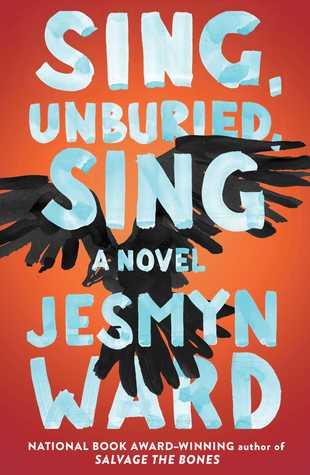
Sing, Unburied, Sing
by Jesmyn Ward

Mississippi’s past and present collide as a desperate mother takes her kids on a road trip to meet their ex-con father.
Release date: September 5


Little Fires Everywhere
by Celeste Ng

A defiant new tenant and an ugly custody battle shatter Elena’s orderly life in this riveting read from the author of Everything I Never Told You.
Release date: September 12


Five-Carat Soul
by James McBride

From the recipient of the 2013 National Book Award comes a collection of insightful, surprising, and humorous stories about our struggle for identity.
Release date: September 26


Young Adult

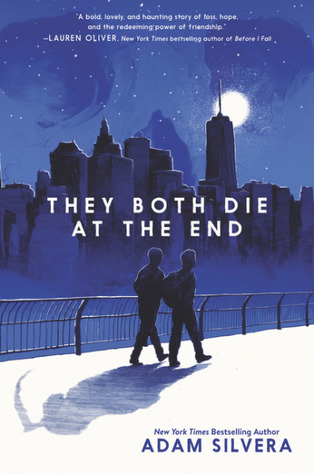
They Both Die at the End
by Adam Silvera

After getting the call from “Death-Cast” (a company that knows when everyone will die), strangers Mateo and Rufus meet up for a final adventure.
Release date: September 2


Warcross
by Marie Lu

Hacker and bounty hunter Emika enters a deadly virtual reality combat tournament as a contestant—and as a spy.
Release date: September 12


Turtles All the Way Down
by John Green

In the author’s first novel since The Fault in Our Stars, plucky Ava accidentally gets wrapped up in the mystery of a fugitive billionaire.
Release date: October 10


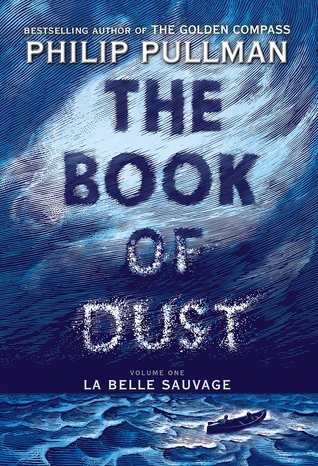
La Belle Sauvage
by Philip Pullman

A boy and his daemon companion unravel a tricky, magical mystery in this companion to the author’s beloved His Dark Materials trilogy.
Release date: October 19


Plus thrilling sequels from Sarah J. Maas, Rick Riordan, and Kendare Blake!

Nonfiction

From Here to Eternity: Traveling the World to Find the Good Death
by Caitlin Doughty

Mortician Doughty discovers how other cultures care for their dead in this follow-up to Smoke Gets in Your Eyes: And Other Lessons from the Crematory.
Release date: October 3


We Were Eight Years in Power: An American Tragedy
by Ta-Nehisi Coates

The award-winning journalist and author reflects on the Obama era and explores the tragic echoes of history in this powerful essay collection.
Release date: October 3


Waiting for the Punch: Words to Live by from the WTF Podcast
by Marc Maron

Discover some of the secrets to success in this hilarious, insightful, and occasionally ridiculous guide to life from the comedian and podcaster.
Release date: October 10


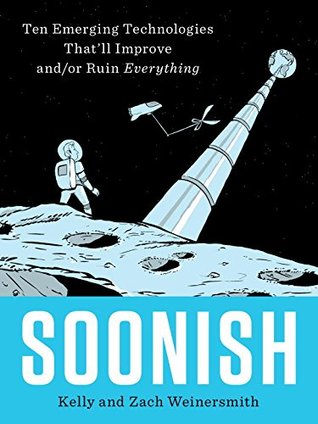
Soonish: Ten Emerging Technologies That’ll Improve and/or Ruin Everything
by Kelly and Zach Weinersmith

A collaboration between a cartoonist and a researcher, this is a clever peek into our possible future, featuring robots, space elevators, and more.
Release date: October 17


Mystery/Thriller

Lie to Me
by J.T. Ellison

Her note says she doesn’t want to be found, but Ethan can’t accept that from his missing wife…especially once the police start asking questions.
Release date: September 12


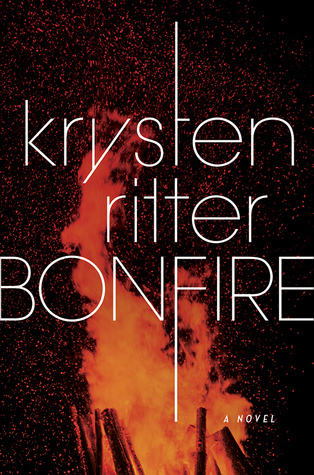
Bonfire
by Krysten Ritter

A lawyer stumbles upon a treacherous ritual called “The Game” in her own hometown in this tantalizing page-turner from the star of Marvel’s Jessica Jones.
Release date: November 7


Plus exciting sequels from Dan Brown and Alan Bradley!

Historical Fiction

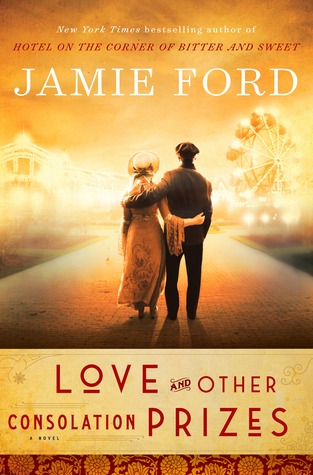
Love and Other Consolation Prizes
by Jamie Ford

Based on a true story, an orphan boy learns the meaning of belonging after being raffled off at Seattle’s 1909 World Fair.
Release date: September 12


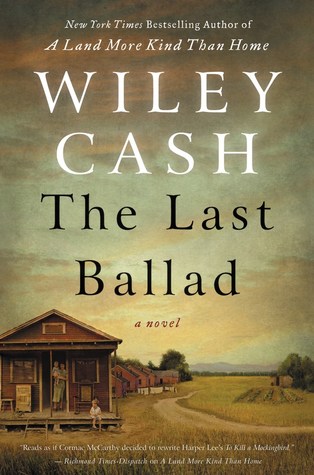
The Last Ballad
by Wiley Cash

While working a dirty, hazardous job at a textile mill, Ella May fights for her dignity and her rights in the Appalachian foothills of North Carolina.
Release date: October 3


Plus an epic sequel from Ken Follett!

Romance

Chasing Red
by Isabelle Ronin

After losing her apartment, Veronica reluctantly agrees to move in with campus bad boy, Caleb, in this swoon-worthy love story.
Release date: September 5


Without Merit
by Colleen Hoover

The author of Hopeless delivers a poignant, powerful tale of one outsider’s messy search for truth and love.
Release date: October 3


Science Fiction and Fantasy

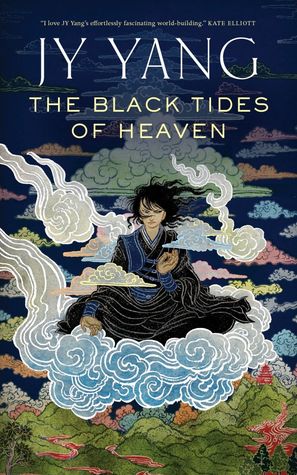
The Black Tides of Heaven
by J.Y. Yang

The bond between twins Mokoya and Akeha weakens as one develops a strange prophetic gift and the other joins a ruthless rebellion.
Release date: September 26


Her Body and Other Parties
by Carmen Maria Machado

This genre-bending collection of short stories focuses on the realities of women’s lives while featuring the end of the world, ghosts, humanity-ending plagues, and more.
Release date: October 3


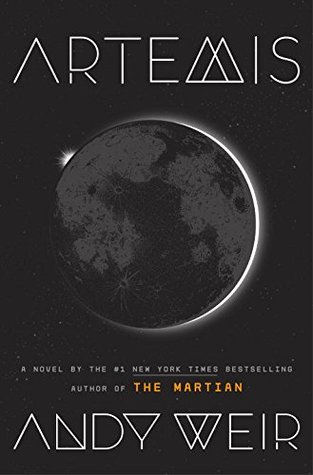
Artemis
by Andy Weir

The author of The Martian leaves behind the red planet—his second novel is an action-packed (and science-packed) heist story set on the moon.
Release date: November 14


Plus fantastical sequels from Brandon Sanderson, Nnedi Okorafor, and Peter V. Brett!

Which book are you most excited to read this season? Let us know in the comments!

by Hayley

Source: goodreads

Visit us at First Edition Design Publishing


The Winning Mindset You Need for a Killer Writing Contest Entry

I’ve just signed up for a writing contest, and I turn on “Eye of the Tiger” as I sit down to pound out my first draft. This is it, I tell myself. This will be the story that finally wins. I light my creative candle called “Field of Dreams” and place a mug of freshly pressed coffee next to my laptop. A few finger exercises and I am ready to write the story to end all stories.

But what if nothing comes? Or worse, a story pours out and it’s terrible? What if I don’t win? How can I develop a winning mindset without reading an entire shelf of self-help books and further distracting myself?

3 Keys to a Winning Mindset

I’ve entered and lost more writing contests than I can count. Why keep entering? A few reasons: to challenge myself, to practice writing on deadline, to grow, and to have fun.

But for many people, writing contests are emotional roller coasters of adrenaline-fueled drafting followed by soul-crushing defeat. If I’ve described your experience, don’t worry, you aren’t alone.

How can you develop a winning mindset that evens out the highs and lows of the writing and submission process? Here are three mindset shifts to help:

1. Don’t commit to win. Commit to grow.

This sounds counter-intuitive. Of course you want to win. Unfortunately, it isn’t like a sporting event where you can see the score as you go and adjust to do more.

You cannot control how your story will resonate with the judges. You can only tell the best story you are capable of telling, and if you commit to grow, the story will be better than your last. Focus on the things you can control.

Over time, growing into the writer you want to be is far more important than a short-term win.

2. Don’t expect perfection. Expect to revise and improve.

The first few times I submitted stories for critique, I didn’t expect to change much. A comma here, a phrase there. After all, I had already written it the way I wanted. What more could I do? Turns out, my first drafts are never as clear as I think they are.

I remember the first time an editor said, “Consider pulling this apart and restructuring, beginning with [incident I had in the middle].” I panicked. But when I took a deep breath and tried it? The story became far stronger than I could have imagined.

When others read your story, ask them to tell it back to you, and then listen. Sometimes their retelling reveals the holes or questions that will make or break your story.

3. Don’t view submission as the end of the journey. View it as a quick pit stop.

The first few writing contests I entered, I poured time and energy into my submission, and once I hit that “submit” button, I often didn’t write the rest of the week (or month).

Everything changed when I stopped writing from contest to contest or submission to submission, and I began writing daily. Now, I’m working to produce one small story at a time that eventually becomes a satisfying body of work and resonates with readers. As soon as you hit submit, start a new story.

Be Bold and Enter a Writing Contest

Writing contests are a terrific way to practice writing with a set audience and purpose in mind. Use these tips to help you navigate your next submission, and to invest in long-term growth as a writer.

What part of your current mindset is holding you back? How can you change it? Let me know in the comments.

by Sue Weems

Source: thewritepractice

Visit us at First Edition Design Publishing
The World’s 50 Largest Publishers, 2017

In a challenging market, more publishers saw sales decline than increase in 2016

Although total revenue of the world’s 50 largest book publishers topped $50 billion in 2016, last year was not an easy one for global publishing giants. Less than half of the top 50 publishers posted revenue gains in 2016, with the balance reporting sales declines. One of the companies that had the toughest year was Pearson, which had a 15% decline in sales, to $5.62 billion. Even with the drop in revenue, Pearson continued its longtime reign as the world’s largest book publisher, according to the Livres Hebdo/Publishers Weekly annual ranking.

Tough Year for Educational Publishers

Sales in the educational market, particularly in the U.S., were down in 2016 compared to 2015, and the downturn meant declining sales for publishers and also led some companies to restructure. Pearson underwent a companywide reorganization in 2016 that it said was in response to changes in the educational publishing market. The move eliminated about 4,000 employees. Earlier this year, the educational publisher said it intended to cut about 3,000 more positions. Houghton Mifflin Harcourt, which was the 14th-largest publisher in 2016 but saw a 3% decline in revenue, announced this spring that it will eliminate between 8% and 10% of its workforce of 4,500 in 2017.

McGraw-Hill Education is another publisher in the educational segment that had a sales decline last year, with revenue off 4% from 2015. Still, MHE, which hopes to go public at some point, was the largest American-owned book publisher in 2016.

Ups and Downs Among The Largest Publishers

The reported sales declines in RELX Group, Thomson Reuters, and Wolters Kluwer—other members of the top 10—are largely due to our decision to exclude revenue from some divisions that have moved away from book publishing. (2015 revenue was not restated for those companies.) But Bertelsmann’s 7% decline in 2016 revenue was due entirely to a drop in sales at Penguin Random House. The lack of a big new bestseller hurt results at the company, and it divested some smaller divisions in the year. The decline at PRH was offset in part by a sales increase in Bertelsmann’s education division.

The small decline in revenue at Hachette Livre was due to currency fluctuations between the euro and dollar. Excluding differences in the exchange rates, Hachette Livre revenue was 2.5% higher than in 2015. The sales increase was due to strong sales for the U.K. group (up 11%), thanks primarily to the success of J.K. Rowling’s Harry Potter and the Cursed Child and Fantastic Beasts and Where to Find Them in English worldwide (excluding Canada and the U.S.). Partworks also performed well, particularly in Japan and Spain. Hachette Livre sales includes Hachette Book Group USA, which had an increase in sales in 2016 thanks to the $75 million contribution from the publishing arm of the Perseus Books Group, which it acquired in March 2016.

Only two companies among the top 10 largest publishers had outright sales increases in 2016. Spain’s Grupo Planeta had a small sales gain, and Springer Nature posted a 7% increase. Last year was the first full year of operation for Springer Nature, which was formed in May 2015 through the merger of Holtzbrinck-owned Macmillan Science and Education companies (excluding Macmillan’s U.S. higher-education and trade properties) with Springer Science + Business Media.

Despite the weak financial performances by the 10 largest publishers, their share of all revenue from publishers on the list was 56%, up from 54% in 2015. Since we started ranking the world’s biggest publishers, the largest 10 companies have accounted for 53%–58% of the revenue of all the publishers who have been featured in the ranking.

How the Americans Fared

John Wiley, which was the ninth-largest publisher in the world last year, was one of three American companies, along with Scholastic and HarperCollins, whose ranking was based on fiscal 2016 figures rather than fiscal 2017. For the fiscal year ended Apr. 30, 2017, Wiley, which bills itself a global research and learning company, had revenue of $1.72 billion, down by less than 1% from fiscal 2016.

Scholastic’s 2017 fiscal year ended May 30, 2017, and its revenue rose 4% from fiscal 2016’s to $1.74 billion. It was a sales increase driven by strong gains from its trade group, where sales jumped 45% thanks to strong performances by Harry Potter and the Cursed Child and Fantastic Beasts and Where to Find Them.

HarperCollins’s revenue for the fiscal year ended June 30, 2017, fell by $10 million, less than 1%, to $1.64 billion. HC, which sees international expansion as key to long-term growth, was the world’s 12th-largest publisher in 2016.

Overall, six American companies were among the world’s 50 largest publishers. Simon & Schuster, with revenue of $767 million last year, was the 23rd-biggest publisher.

Changes to Other World Players

Two Brazilian publishers returned to the ranking in 2016 after dropping off in 2015 due to the plunge in value of Brazil’s currency. Somos Educacao (formerly Abril Educacao) was the 32nd-largest publisher in the world last year, thanks in part to its acquisition of the book division of Saraiva and an improvement in exchange rates. Two acquisitions helped to boost Russia-based Eksmo’s revenue in 2016, and the publisher finished in 38th place on the global ranking.

The 2016 ranking excludes Chinese publishers. We started including Chinese publishers in 2014, when companies in China began to provide verifiable information, and in 2015 five Chinese publishers were included. However, in 2016 China’s government changed the selection criteria for China’s Top 30 Cultural Enterprises (which includes publishing). The new criteria focuses on both the social and economic benefits brought by candidate enterprises, with more consideration given to the former. The result is that the government is not encouraging publishing companies to get involved in any rankings based solely on economic criteria.

Rank 2017 Rank 2016 Publishing Group or Division Parent Company Parent Country 2016 Revenue (in $M) 2015 Revenue (in $M)
1 1 Pearson Pearson PLC UK $5,617 $6,625
2 3 RELX Group Reed Elsevier PLC & Reed Elsevier NV UK/NL/US $4,864 $5,209
3 2 Thomson

Reuters

The Woodbridge Company Canada $4,819 $5,776
4 not listed Bertelsmann Bertelsmann AG Germany $3,697 $5,259
5 4 Wolters Kluwer Wolters Kluwer NL $3,384 $4,592
6 8 Hachette Livre Lagardère France $2,390 $2,407
7 10 Grupo Planeta Grupo Planeta Spain $1,889 $1,809
8 9 McGraw-Hill Education Apollo Global Management US $1,757 $1,835
9 11 Wiley Wiley US $1,727 $1,822
10 15 Springer Nature Springer Nature Germany $1,715 $1,605
11 14 Scholastic Scholastic US $1,673 $1,636
12 12 HarperCollins News Corp. US $1,646 $1,667
13 13 Cengage Learning Holdings II Apax and Omers Capital Partners US/Canada $1,631 $1,633
14 16 Houghton Mifflin Harcourt Houghton Mifflin Harcourt Company US/Cayman Islands $1,373 $1,416
15 19 Holtzbrinck Verlagsgruppe Georg von Holtzbrinck Germany $1,226 $1,231
16 23 Shueisha Hitotsubashi Group Japan $1,053 $1,013
17 25 Kodansha Kodansha Japan $1,004 $969
18 22 Informa Informa PLC UK $963 $1,073
19 24 Kadokawa Publishing Kadokawa Holdings Japan $949 $1,009
20 21 Oxford University Press Oxford University UK $939 $1,137
21 27 Bonnier The Bonnier Group Sweden $846 $827
22 26 Shogakukan Hitotsubashi Group Japan $818 $850
23 29 Simon & Schuster CBS US $767 $780
24 30 Grupo Santillana PRISA SA Spain $668 $702
25 28 Egmont Group Egmont International Holding A/S Denmark $605 $786
26 32 Klett Klett Gruppe Germany $567 $540
27 31 Woongjin ThinkBig Woongjin Holding Korea $520 $552
28 39 Mondadori The Mondadori Group Italy $501 $350
29 34 De Agostini Editore Gruppo De Agostini Italy $469 $483
30 35 Groupe Madrigall Madrigall France $461 $478
31 36 Les Editions Lefebvre-Sarrut Frojal France $442 $432
32 not listed Somos Educação Somos Brazil $426 $237
33 33 Messagerie / GeMS Messagerie Italiane Italy $431 $344
34 44 Kyowon Kyowon Korea $394 $277
35 38 Media Participations Media Participations Belgium $372 $371
36 37 Cambridge University Press Cambridge University Press UK $332 $399
37 40 Westermann Verlagsgruppe Medien Union Germany $317 $327
38 48 EKSMO-AST Privately owned Russia $314 $233
39 41 Sanoma Sanoma WSOY Finland $299 $307
40 42 Cornelsen Cornelsen Germany $287 $284
41 43 Haufe Gruppe Privately owned Germany $282 $279
42 47 Gakken Gakken Japan $261 $239
43 45 WEKA WEKA Firmengruppe Germany $248 $253
44 not listed France Loisirs ACTISSIA Club Luxembourg $229 $275
45 50 Bungeishunju Bungeishunju Japan $220 $201
46 46 La Martinière Groupe La Martinière Groupe France $217 $246
47 49 Prosveshcheniye Privately owned Cyprus $207 193
48 51 Groupe Albin Michel Groupe Albin Michel France $206 $194
49 not listed Editora FTD Editora FTD Brazil $184 $160
50 52 Shinchosha Publishing Shinchosa Publishing Japan $154 $182

Source: publishersweekly

Visit us at First Edition Design Publishing

3 Essential Comments Every Writer Needs to Hear

The opportunity to offer criticism comes with undeserved power. As a critic, we put ourselves above the artist, providing our authoritative opinion on the artists work. The thing is, that’s not what every writer needs to hear.

Ascending to this position feels good and costs us nothing. I think that is why we are so quick to do it. If you are like me, the second someone brings you their work, you feel an urge to tell them all the ways it can be improved, and you feel good about yourself while doing it.

But what if we rejected that feeling, took a different approach, and tamed the inner critic? What impact would that have on the artists in our lives?

What Every Writer Needs to Hear

Recently, I was sitting at my kitchen table, my face buried in my laptop, trying to figure out a promotion I wanted to run that month on a book, when my daughter said, “Excuse me, Daddy.” Looking up, I was greeted by her nervous twelve-year-old smile and hopeful eyes. She was clutching a notebook and rocking her weight from one foot to the next.

“What’s up?” I asked.

“Um, I wrote this story,” she said, “and I was wondering if you would read it?”

The last thing I wanted to do was read her story. Please don’t think I’m a monster. I was working on a difficult problem and I had a deadline—an artificial deadline I had created that mattered to no one but me, but still, a deadline. The point is, I was busy and I didn’t believe I had time to read her notebook, so I mumbled something like, “Maybe later when I’m not in the middle of things.”

She looked at the ground and her smile was replaced by a line of disappointment. “Okay,” she said, and she turned to leave.

Recognizing that I was behaving like a monster, I caught her and said, “Okay, let me see it.”

The smile on her face and the bounce in her feet returned as she passed the notebook over and waited. The story was short, only eight handwritten pages. I read it quickly and immediately spotted multiple problems. Her beginning hook didn’t occur until deep into page two, she began the first paragraph world building—a short story no-no—and there was no appreciable change of character through the narrative. Quickly, I organized my feedback in my mind and decided which of these fatal flaws was the most important for her to hear.

But then I looked up and saw her expectant face and I put all my criticism down. Instead of offering all the criticism I had running through my brain, I said three things. These are three things I believe every writer needs to hear. In fact, they’re not just for writers—these are great things to say to any creative in your life.

“I love that you finished a story. That’s amazing.”

Taking a blank page and turning it into a story is hard work.

There is a reason writing is often referred to as “bleeding on paper.” The generation of something new from nothing costs the artist mentally and emotionally. Creatives put pieces of themselves on the page.

Sometimes, acknowledging this personal sacrifice is the most important thing we can do for the creative people in our lives.

“Can I read it?”

An eager audience is every creator’s dream. We know about art because the creator has made it to be shared.

To ask a creator if you can experience their story will ignite a spark in the creator’s heart. It provides for her evidence that she is not alone and that someone does care about her and what she does.

“What’s your favorite part?”

Rarely does the consumer see the work in the same way the creator sees it. In any story, there will inevitably be portions the writer poured herself into that the reader will not even notice.

When a creative finishes something, part of what they want to share is the story of their new work’s creation. Asking the creative what she loves about it will communicate that you want to hear what the creator has to say, that you want to know the journey she has gone through.

The Magic of Celebration

As I spoke these words to my daughter, I watched her come alive. She beamed when I applauded her accomplishment, she was thrilled that I wanted to read what she’d spent time working on, and she went on and on about how hard it was for her to get this small piece of dialog I’d completely missed to sound just right. After we’d talked, I thanked her for bringing me the story and she gave me a hug and then went off to write another.

When a creative presents her work to us, most of the time she isn’t looking for criticism. Making stories from a blank page is hard and emotionally taxing work. At the end of a project, the author has a desire to hold this new thing she has given birth to out to the world and say, “Look at what I made.”

She knows it’s not perfect. She knows it has problems. She knows it likely isn’t going to sell without a huge marketing push behind it.

But that’s not the point.

What the creative really wants is for us to celebrate with her in the birth of this new thing.

What’s the best thing someone’s said to you after reading your writing? Let us know in the comments.

Source: thewritepractice

Visit us at First Edition Design Publishing

How to End a Story

Endings are hard. Nobody likes to say goodbye, and saying goodbye in a story is especially hard. The pressure is on to get that last part just right and determine how to end a story well.

When there are so many possibilities for a conclusion, how do you know which one is right for your story?

4 Classic Possibilities for How to End a Story

Before you can choose an ending, you need to figure out what your choices are. Here are a few basic ones to get you started.

1. The “happily ever after” ending

The classic, feel-good ending. Disney is the master at this. Every character meets their goals (except for the villain, of course), the romantic couple gets together (they might even get married), and you finish the story feeling like you can accomplish anything.

This sort of ending goes along best with fairytales and most children’s stories. That’s not to say stories for adults can’t have this kind of ending, too, but it works to perfection when the story already has a light and happy quality to it. You don’t want to write a depressing plot only to wrap it all up in the last chapter. It’ll throw off your reader and make the conclusion seem far-fetched.

2. The tragic ending

The protagonist’s main goal doesn’t go as planned, curveballs are thrown, and tragedy strikes. These are tricky to write, because there’s a fine line between writing a tragic, artistic ending and a conclusion that will leave your reader in a hopeless slump.

If you’re planning on having an unhappy ending, you’ll need to foreshadow that throughout the story. Have a slightly gloomy, ominous tone from the very beginning. Your reader might not expect it, exactly, but it won’t come as a total shock, making it an easier ending to swallow.

But, remember to have some bright moments, little nuggets of happiness the reader can hang onto after the story is finished.

3. The ambiguous ending

This isn’t everyone’s cup of tea, but it’s one of my favorites. The ambiguous ending goes well with an “indie” story. A simple plot—usually something contemporary, but not necessarily—works best, because it focuses most on the characters, leaving a lot up to the reader’s imagination when it comes to what happens after the story is finished.

If you do decide to go with this ending, remember that there’s a huge difference between ambiguity and unfinished business. If you drop the plot too suddenly, the reader wonders if there are pages missing from the end of the book, if something’s gone wrong. What you want to do is drop enough hints that someone can come close to determining what will happen, but they’ll never know for sure.

4. The bittersweet ending

Sometimes this can even pair with the ambiguous ending, but it doesn’t have to. This conclusion might look like the protagonist failing to meet their goal, but finding something else along the way. Maybe the main couple doesn’t get together, but they’ve found happiness apart from each other.

Make the ending unexpected, but hopeful. The reader will be pleasantly surprised and leave the story with a sense of calm and satisfaction.

End Your Story Well

Maybe you knew how your story would end when you started writing it. Maybe you’re on the next-to-last page and you still don’t know. Whatever the case, these four options for how to end a story can get your imagination flowing. How will your story end?

What’s your favorite ending in a story? Why do you like it? Let us know in the comments.

Source: thewritepractice

Visit us at First Edition Design Publishing
 

How to Prioritize Your Writing Ideas

There are always too many writing ideas or not enough of them.

Some days, we writers are so overwhelmed with ideas, it’s impossible to get anything done. Should you work on your novel? That essay you’re writing for your favorite magazine? You have an original premise for a short story. And you feel a poem coming on.

Other days, we just can’t find any inspiration.

Prioritizing Your Writing Ideas

Prioritizing your writing ideas will help you stay focused on projects you’ve already started. Too often, we writers run around chasing one idea after another, never finishing the big projects we’ve begun. A priority list that we follow with due diligence will encourage us to finish what we’ve started. And when inspiration is fleeting, we can turn to our priority list and it will remind us that we have plenty of ideas ready and waiting to be explored.

It’s a good idea to keep track of all your ideas, and most writers are already adept at this. We jot down ideas in our notebooks. We litter our work areas with ideas scrawled on sticky notes. We scrawl concepts on random bits of scrap paper and cocktail napkins. You probably already have a boatload of projects incubating all around you. Now you just need to get them in order.

Keeping a master list of projects (including your works-in-progress and future project ideas) is a good way to start prioritizing. Electronic lists work well because you can move things around. Note cards are also good organizational tools because you can spread them out, color code them by form, genre, or deadline, and keep them in a box or bound them with a rubber band for easy storage and access.

How to Prioritize Your Writing Ideas

Before you prioritize your writing ideas, create a neat and manageable list using a spreadsheet, word processing document, or set of note cards. Then you can starting putting things in order.

1. Finish What You’ve Started

You’re three chapters into a novel when you come up with a breakthrough story idea for another novel. So you promptly shove your current project to the back burner and move on to the next idea. This is no way to get things done. Make a list of all your unfinished projects — the ones you fully intend on completing. Tackle those first. Add any new ideas to the bottom of the list and refrain from working on your new ideas until you’ve wrapped up the old ones.

2. Do it for Money

I’m not a big believer in making art just for the money, but we all have to eat. If you have projects that will ensure there is food on the table and a roof over your head, then get to those first. Business before pleasure, my friends.

3. Do it for Love

Nothing carries a creative project like passion. If you have tons of writing ideas and aren’t sure which one to focus on first, follow your heart. If you’ve finished your other projects and are eating well, then do what you love.

4. Little Things Come First

When you have a huge list, it can help to work through the little projects first — the ones that will only take a few hours or a couple of days. This is a great way to shorten your project list and get a lot done in a short amount of time. But take care — little projects have a way of popping up all over the place. Make sure you don’t let small projects keep piling up in front of your bigger projects.

5. Even Distribution

If you have big projects, little projects, ongoing projects, and one-time projects, short-term and long-term projects, try prioritizing one of each. In other words, write a poem, then a short story, then an essay, then start that novel, then go back to your poetry. You can go around and around. You’ll chip away at everything a little more slowly, but you’ll be well rounded for your efforts.

How Many Writing Ideas Are You Juggling?

Do you have more writing ideas than you know what to do with? Are you short on time or not sure what to tackle first? Try organizing your writing ideas into a list and then prioritize them using these five methods for putting your projects in order. Keep adding all your new writing ideas to your list, but more importantly, keep writing.

Source: writingforward

Visit us at First Edition Design Publishing

The next Amazon

From The Bookseller:

In June a bookseller briefly became the richest man on the planet. From humble beginnings as a successful Wall Street trader in the late nineties, he saw an opportunity to change the way that books are sold. At around the same time, the first Penguin books website launched, and readers could buy books direct from the website and have them delivered to their door. At the time, of course, this was revolutionary and ruffled booksellers. When I presented the site at the London Book Fair, the first comment from the audience was about “that Buy button on the screen”.

The site continues to sell books today, though through affiliates which is probably a more friction-free experience than when we had to print and fax the orders to the warehouse for fulfillments. Amazon meanwhile side-stepped the dotcom crash and continued its growth towards dominating the world’s retail online as it does today.

But let’s rewind history back again to the late nineties. Would it have been possible for the Penguin website to compete with the Amazon website? Was there an opportunity that was missed at that time, and is there one that publishers and booksellers should be investing in today?

Possibly there was a play that publishers could have made coming together to create a single online retail brand that used all the benefits of existing warehousing and distribution. They could have bought the UK’s leading online bookstore (then The Internet Bookshop, subsequently sold to WHSmith for £9.4m in 1998). But they didn’t. It would have been too contentious a move for publishers to get so deeply involved in “that Buy button”. Politics, relationships with retailers, and a focus on core business stopped publishers’ involvement in digital media just as it was getting started.

So what are the opportunities today?

. . . .

Behind the public and visible hype around virtual reality is the growth of the technology strand known as artificial intelligence or machine learning. In relation to publishers and booksellers, this allows a lot of information to be analysed and interpreted in interesting new ways. It is useful for publishing because there are already significant quantities of useful information that can be looked at. Trends such as adult colouring books could have been anticipated, dynamic recipe books can be compiled based on consumer habits and indeed AI could anticipate fiction trends based on combinations such as sentiment analysis, sales trends and general entertainment industry movements.

PG says if you’re going to be one of the leaders in a breakthrough technology, you have to attract, hire and retain really, really smart techies. During this process, you will be competing with lots and lots of other prospective employers, including the aggressive giants like Facebook and Google who give employees meditation rooms, free lunch, immediate coolness and a very impressive line on their résumé, and bleeding-edge startups where success means everybody who got in early will get crazy rich.

Exactly why would such tech talent be interested in working on artificial intelligence in the publishing or bookselling businesses?

Wealth? Nope.

Fame? Nope.

Coolness? Nope.

PG says for smart techies, the only good publishing or bookselling jobs are with Amazon.

That will change some day, but Random House and Barnes & Noble won’t be the ones who build the next Amazon.

Source: thepassivevoice

Visit us at First Edition Design Publishing