Tragic love stories have been capturing our hearts for centuries. From Romeo and Juliet to Wuthering Heights, these stories explore the power of love and the pain of loss. If you’re interested in writing your own tragic love story, here are a few tips:
Start with strong characters. Your characters should be relatable and sympathetic, so that readers will care about what happens to them. They should also be complex and flawed, so that their love story feels believable.
Create obstacles to their love. The obstacles in your characters’ way should be significant enough to make their love seem impossible. This could be anything from family disapproval to war to a terminal illness.
Show the love between your characters. Don’t just tell us that your characters are in love. Show us through their actions, their words, and their thoughts. Make us feel the power of their connection.
Don’t be afraid to hurt your readers. A tragic love story should make us feel something, whether it’s sadness, heartbreak, or even anger. Don’t shy away from the difficult emotions.
End with a sense of loss. The ending of your story should leave us feeling empty and heartbroken. This doesn’t mean that it has to be a happy ending, but it should be an ending that feels true to the story you’ve told.
Here are some additional tips for writing a tragic love story:
Use foreshadowing to hint at the tragedy to come. This will help to build suspense and make the ending more impactful.
Don’t be afraid to explore the darker side of love. Tragic love stories often deal with themes of obsession, jealousy, and revenge.
Be creative with your setting. The setting can play an important role in creating a sense of atmosphere and mood.
Use language that is both beautiful and evocative. The language of a tragic love story should be able to capture the full range of emotions, from joy to sorrow.
If you follow these tips, you’ll be well on your way to writing a tragic love story that will stay with readers long after they’ve finished reading it.
Here are some examples of tragic love stories:
Romeo and Juliet by William Shakespeare
Wuthering Heights by Emily Brontë
Anna Karenina by Leo Tolstoy
The Great Gatsby by F. Scott Fitzgerald
The Notebook by Nicholas Sparks
Titanic by James Cameron
These are just a few examples of the many tragic love stories that have been written over the centuries. If you’re looking for inspiration, I encourage you to read some of these classic stories.
In 1959, Carl Jung first popularized the idea of archetypes—”universal images that have existed since the remotest times.” He posited that every person is a blend of these 12 basic personalities. Ever since then, authors have been applying this idea to fictional characters, combining the different archetypes to come up with interesting new versions. The result is a sizable pool of character tropes that we see from one story to another.
Archetypes and tropes are popular storytelling elements because of their familiarity. Upon seeing them, readers know immediately who they’re dealing with and what role the nerd, dark lord, femme fatale, or monster hunter will play. As authors, we need to recognize the commonalities for each trope so we can write them in a recognizable way and create a rudimentary sketch for any character we want to create.
But when it comes to characters, no one wants just a sketch; we want a vibrant and striking cast full of color, depth, and contrast. Diving deeper into character creation is especially important when starting with tropes because the blessing of their familiarity is also a curse; without differentiation, the characters begin to look the same from story to story.
But no more. The Character Type and Trope Thesaurus allows you to outline the foundational elements of each trope while also exploring how to individualize them. In this way, you’ll be able to use historically tried-and-true character types to create a cast for your story that is anything but traditional.
Loner
DESCRIPTION: This character lives an isolated life due to their inability to relate to or connect with others. Loners can be Rebels (and vice-versa), but because the former are more comfortable with their background status-quo, they don’t typically seek to effect major change.
FICTIONAL EXAMPLES: Jane Eyre (Jane Eyre), the Grinch (How the Grinch Stole Christmas), Boo Radley (To Kill a Mockingbird), Eleanor Oliphant (Eleanor Oliphant is Completely Fine)
ASSOCIATED ACTIONS, BEHAVIORS, AND TENDENCIES Preferring to observe rather than engage with others Living on the fringes Avoiding crowds and large social gatherings Having a quiet voice Having understated mannerisms Preferring to work alone (and being more efficient that way) Being misunderstood Being socially awkward Expecting to be underestimated by others Naturally distrusting others Being secretive
SITUATIONS THAT WILL CHALLENGE THEM Being forced to interact in a group Being transferred to a new city where new friendships will have to be made Having an extroverted or rowdy friend whose antics force the loner into the spotlight
TWIST THIS TROPE WITH A CHARACTER WHO… Is a loner sometimes and a people-person in other situations Is an excellent public speaker Is forced into a leadership role and turns out to be very good at it Has an atypical trait: cocky, funny, mischievous, sentimental, superstitious, vain
CLICHÉS TO BE AWARE OF The lone wolf character who doesn’t need anyone and is perfectly happy on their own Jaded, cynical, emo loners
If the opening line of a scene is the doorway to the party, what follows is the welcoming handshake and introductions that draw readers into the mix. Effective scene openings extend beyond the fireworks of a provocative opening hook, ushering readers into the new space with no awkward stumbles or feeling out of place.
Here’s how to whisk readers effortlessly into a scene’s flow.
Go in Late …
The first technique is all about judging the point at which to enter the scene. Screenwriters have a saying: Go in late, get out early. Don’t overexplain on either end.
Since stories are about significance (why did the character make those choices, and how did it matter?), scenes should be constructed of significant stuff—stuff that matters, not all the characters’ dull daily duties.
Cut out the boring stuff. Short of a few scenes way back in the first act of your book while you’re establishing the character’s normal world, it’s almost never interesting to show a character waking up, getting dressed, drinking coffee, and getting ready for the scene. Get to the point. Readers come to your book for engaging story action, not the mundane business they’ve already slogged through themselves so they can sit down and read.
Transitions are a common tripping point. You can almost always do away with travel to the next location in the story (unless the journey itself is the point). Travel, arrivals, greetings, goodbyes—those are interstitial moments, not the story itself. None of that merits your precious word count.
Scenes dip in and out of the story at key points of conflict and tension, when things are popping that actually change what’s happening. Spend your time showing the characters doing things that affect the story line, not merely getting ready. It’s like a theatrical play—don’t show the stagehands changing the scenery, just raise the curtain on the next scene.
Aim to begin on the upswing into the conflict or juiciest part of the scene. Some scenes need a little more set-up, but you’ll be surprised how quickly readers catch on if you simply dive in.
This technique of going in late (or in medias res, in the middle of things) is often honed during revision. Write first, hone later. You’ll be surprised how much you can slice away without shaking readers’ ability to follow where the story moves next. Save anything you remove during revisions in your graveyard file, in case you need parts of it again later.
Test out shortened scenes on readers who don’t know your story. They may not know the details of the story, but can they slide into the spirit of the scene anyway? Could you prune away still more? You can always add removed content back a snippet at a time.
Bonus Tip: … Get Out Early
Speaking of petering out, the reverse of “go in late” holds true on the back end of the scene: Get out early. Once you’ve hit the peak—the conflict or surprise or complication—get the heck out of Dodge. Don’t overstay the scene’s welcome by dragging out the characters’ reactions (reaction/emotion, dilemma, and decision). This isn’t the time for lengthy debates …
… unless, of course, it is. If the characters and readers need time to grapple with the ramifications of what just happened, indulge in a full sequel scene.
Anchoring Scenes: The 3 Ws
Once you’ve chosen the right place to begin the scene, it’s time to invite readers in. Readers can’t sink into immersion until they’re oriented in the story. Whose view are they seeing this scene from? Where and when are they?
Within the first page of every scene—preferably within the opening paragraphs—ground readers by establishing the 3 Ws.
WHO the viewpoint character is (and WHO ELSE is present in the scene)
WHERE the scene is taking place
WHEN the scene is taking place, or a sense of how much time has passed since the last scene
1. WHO Nothing in a scene makes sense until readers have context for what they’re reading. Whose experience is this? Establish the viewpoint character unambiguously within the first paragraph or two, ideally within the first two sentences.
Readers usually assume that the first character named in a scene is the viewpoint character. Positioning the viewpoint character in the opening has the added benefit of launching them into motion, doing or speaking or considering or noticing. Now viewpoint character has agency in driving the scene.
Also near the top of a scene, establish who else is present. Ideally, this should happen within the first page or so. You want to avoid the sort of confusion when some character pops off on the last page with a snarky observation, only readers didn’t even realize they were there. A glimpse of each character is sufficient, even a collective mention such as The others armed themselves with plastic forks and swarmed the defenseless box of cake on the counter.
2. WHERE A scene will feel like a snippet acted out in front of a green screen on a movie soundstage if readers don’t know where it’s unfolding. Don’t infodump the details in a steaming lump at the front of the scene. Parse it out.
The things the viewpoint character notices should reflect their personal mindset: their knowledge, priorities, taste, immediate agenda, hopes, fears … What is the viewpoint character doing here in this scene? They’re not sitting around and blinking around at a static world; they should be actively engaged in something that’s obviously headed somewhere interesting.
3. WHEN Pull readers across the chasm between scenes by seeding the next scene opening with cues as to how much time has passed. Unless the timeline is integral to the plot, it’s not necessary to be overt about this. In slower stories or sections, a mention of late-afternoon sun or a brisk autumn breeze gets the job done. The shorter the story’s overall timeline, the more granular you’ll need to be with these references.
Many books benefit from timestamps at the beginning of each chapter (22:58:07 11/12/2093, Bridge of the Atlantis) to help orient readers. Caveat: Not every reader notices or absorbs timestamps, and even those who do are unlikely to parse out the number of days or weeks between dates to grasp the relative passage of time (with the exception of something like the breathless hour-by-hour countdown of a thriller).
Revising Scene Openings
Pro revision tip: Make a single revision pass dedicated exclusively to tightening scene openings. Don’t get sucked into editing past the first few paragraphs. Try starting at the end of the manuscript and working backward scene by scene, forcing you to tackle each scene in its own right rather than in relation to the previous scene.
First, check to see that you’ve started each scene as late as possible, just before things get juicy. Since every scene should cause the next one to come about, like a chain of dominoes, you could also use this revision pass to check that scenes wrap up promptly (“get out early”), before the momentum has a chance to start petering out.
Next, move back to the scene opening to check for the 3 Ws: who, where, when.
When we push characters to their limits, sometimes they get hurt. Injuries can range from annoyances to mortal wounds, and handled well, can add tension and complication to the story, drawing readers in deeper.
We’re always looking for ways to make sure our characters struggle as they navigate new situations, uncertain environments, dangers and threats. Let’s dive into what minor injuries you might want to inflict that will also bring a dose of authenticity to your fiction.
Common Minor Injuries & How to Describe Them
Superficial cuts and scrapes. These are surface wounds affecting the skin, causing redness, scratches, or shallow wounds. There is a flash of pain, and then blood blooms. You can focus on the redness of the scratches, any dirt or grit caught in the injury, and the searing pain a character will feel when something touches the injured site: a sleeve, branches that slap and scrape as your character navigates a narrow wooded trail, bumping against someone, or even the pain-then-relief sensation when a breeze hits the area.
Bruises. Collisions with hard surfaces or pressure injuries can lead to bruises. Maybe your character was rushing, missed a danger, was careless, or the injury happened through violence. Bruises may throb or ache, especially when the damaged muscle moves. Skin will discolor, turning reddish on a character with lighter skin, or appearing purple, brown, or even black on any with darker skin. Over time, the bruises may turn brown, yellow or even green as they heal before fading completely. With bruising, show a character’s discomfort. They may find it hard to sit or lie comfortably, and wince when the injured muscles move.
Burns and blisters. Exposure to heat or friction can result in burns and blisters, leaving the area tender to the touch. This can make everyday tasks uncomfortable, like having to walk with a blister rubbing the back of a shoe, or having to handle items with a fresh burn on one’s fingers. Blisters appear raised, containing fluid, and burns may also present as blisters or raw skin where several outer layers are removed. Small burns and blisters are easy to forget about until they are bumped or grazed, and then the pain starts anew. If a character has sunburn, their skin will be hot to the touch, red, and will feel stretched tight. The pain can be described as an uncomfortable tingling or radiating heat sensation.
Sprains and strains. Rapid or repetitive movements, twisting, overextending, and otherwise pushing ligaments or muscles too far can lead to stretching or tears that cause pain and limit a character’s range of movement. To describe this, think about the tenderness and painful twinges you feel at these types of injuries, and how your character will have to compensate by limping, hunching over, and moving gingerly. Each bump or unintentional twist can bring about deep pain, so use the character’s face as a map: wincing, drawing their eyebrows low, a pinched mouth. They may suck in a sharp breath through their teeth, or swear under their breath. To find relief, a character may observe the RICE method (Rest, Ice, Compression, Elevation), and use crutches to get around.
Minor fractures or breaks. Most bone breaks are not minor, but a broken toe or finger is usually something you wrap and wait for it to heal. A bone fracture is painful, but isn’t a full break, so healing comes much quicker. In both cases, the character will experience a sharp pain and may ‘feel’ the snap or crack. Anxiety and dread often follows these types of injuries because the character knows whatever they’ve done will need time to heal. These injuries are great when you want to slow your character down, add complication to their life, and limit them in what they can do. When you’re showing this type of injury, think about how your character will overcompensate (limping, shifting their weight, using their ‘good’ hand, etc.) to spare the injured bone. Show their discomfort through pinched facial expressions, a strained voice, a short tempter, or other ‘tells’ that line up with their personality.
Dislocations. When two bones pull away from their natural meeting point, the pain can be excruciating. An unnatural bulge forms where the bone is, causing swelling, intense pain, numbness and tingling. Your character may also feel a rush of fear when their limb suddenly stops working.
In movies, characters often ram the dislocated bone against something to reset it, but unless they’re skilled and experienced, this is dangerous, and causes extreme pain and further injury. So before you decide to have your character do this, ask yourself if they know how or not, or if others are able to assist.
Foreign objects. Splinters, thorns, fishhooks, and other items that pierce the skin can add a dash of authenticity and make your character more irritable, because these everyday annoyances do happen.
Nosebleeds. Maybe someone popped your character in the nose, or they have allergies, the air is dry, or it happens due to another condition or injury. Whatever caused it, nosebleeds are uncomfortable, messy, and can make the character feel embarrassed as they suddenly become the center of attention. To stop the flow, they may pinch the bridge of their nose and tip their head back, but as blood runs down their throat, they may gag in discomfort.
Contact with poison, toxins, or irritants. Some characters have allergies or sensitivities to substances, and coming in contact with these causes an adverse reaction. They may swell up, develop a rash, break out in hives, become feverish, and have trouble swallowing or breathing. This minor situation can escalate into something more dire if they don’t get help.
To describe this injury, focus on the reaction to the toxin as it contacts with the character’s skin. Does it swell up, redden in patches, or feel hot to the touch? If the irritant is something they breathe in, it can cause them to cough, spit, bend over, and wheeze. They may grow anxious if it becomes harder to see or breathe.
Bites and stings. We’ve all gotten too close to a wasp’s nest or been a victim of mosquito bites. The character will feel a small nip of pain at the point of contact, and then the area can swell, itch, and redden. If the character has a sensitivity to the venom or a bite becomes infected, the pain will grow, and the rash will spread.
Minor head or eye injuries. When a character’s head area is injured, they need to take care in case the wound is worse than it seems. Maybe your character bumped their head on a low ceiling beam, had a spark or projectile fly into their eye, became the victim of bear spray, or slipped on ice and hit their head. These injuries can leave them with a throbbing headache, swollen eyelids, blurry vision, and a good dose of panic or worry.
Think Outside the Box When It Comes to Injuries
As you can see, the ways you can injure characters is only limited by your imagination, so get creative! What might be a fresh way to injure them that makes sense for the action? How can the setting and its inherent dangers be used?
Also, consider your character’s emotional state. Are they rushing to meet a deadline, or feeling panicked because they are out of their depth? When they become injured, do they blame themselves, or feel overwhelmed by their circumstances?
Know Your Why
Hurting characters ‘just because’ will lead to flat writing, so have a reason for causing them strife. How will an injury further the story or reveal who they are to readers? Will this new challenge hobble them and force them to think strategically? Are you trying to show their humanity through a response to pain or teach them a lesson for being rash? Know your why so injuries never feel random or contrived.
In 1959, Carl Jung first popularized the idea of archetypes—”universal images that have existed since the remotest times.” He posited that every person is a blend of these 12 basic personalities. Ever since then, authors have been applying this idea to fictional characters, combining the different archetypes to come up with interesting new versions. The result is a sizable pool of character tropes that we see from one story to another.
Archetypes and tropes are popular storytelling elements because of their familiarity. Upon seeing them, readers know immediately who they’re dealing with and what role the nerd, dark lord, femme fatale, or monster hunter will play. As authors, we need to recognize the commonalities for each trope so we can write them in a recognizable way and create a rudimentary sketch for any character we want to create.
But when it comes to characters, no one wants just a sketch; we want a vibrant and striking cast full of color, depth, and contrast. Diving deeper into character creation is especially important when starting with tropes because the blessing of their familiarity is also a curse; without differentiation, the characters begin to look the same from story to story.
But no more. The Character Type and Trope Thesaurus allows you to outline the foundational elements of each trope while also exploring how to individualize them. In this way, you’ll be able to use historically tried-and-true character types to create a cast for your story that is anything but traditional.
Doomsday Prepper
DESCRIPTION: Paranoid and prepping for the end of the world, doomsday preppers have a very specific skillset, as well as access to resources that are in short supply elsewhere. Their knowledge and assets can be useful in certain scenarios, and these characters often become important contacts for the protagonist, supplying exactly what’s needed in the moment.
FICTIONAL EXAMPLES: Burt and Heather Gummer (Tremors), Hershel Greene (The Walking Dead), Howard Stambler (10 Cloverfield Lane), Dale Gribble (King of the Hill)
COMMON STRENGTHS: Adaptable, Alert, Analytical, Cautious, Focused, Independent, Industrious, Nature-Focused, Observant, Organized, Private, Proactive, Protective, Resourceful, Responsible, Thrifty, Traditional
ASSOCIATED ACTIONS, BEHAVIORS, AND TENDENCIES Stockpiling resources of food, fuel, weapons, tools, and more Fortifying their homes or creating bunkers or underground shelters Being resourceful Having knowledge of local flora and fauna that could be harvested for food and other needs Looking out for their family’s interests Being hard workers Being skilled marksmen with guns or other weapons Being alert to potential threats Distrusting people from certain groups who think differently Seeking out underground information sources instead of relying on mainstream media channels
SITUATIONS THAT WILL CHALLENGE THEM Experiencing a disaster they weren’t prepared for Running out of supplies before the disaster has been resolved Being ridiculed as paranoid and uncooperative Being unable to grasp a necessary survival skill, such as growing crops or utilizing solar energy
TWIST THIS TROPE WITH A CHARACTER WHO… Becomes an unexpected savior in a non-apocalyptic emergency, such as supplying shelter for those in need during a deadly blizzard Goes from paranoid and fearful to hopeful, trusting, and optimistic through the course of the story Has an atypical trait: appreciative, generous, scatterbrained, gullible, reckless, etc.
CLICHÉS TO BE AWARE OF The paranoid gun collector with a bunker full of enough food and supplies to last a decade The conspiracy theorist who adamantly warns people against highly unlikely scenarios instead of preparing for probable disasters
In 1959, Carl Jung first popularized the idea of archetypes—”universal images that have existed since the remotest times.” He posited that every person is a blend of these 12 basic personalities. Ever since then, authors have been applying this idea to fictional characters, combining the different archetypes to come up with interesting new versions. The result is a sizable pool of character tropes that we see from one story to another.
Archetypes and tropes are popular storytelling elements because of their familiarity. Upon seeing them, readers know immediately who they’re dealing with and what role the nerd, dark lord, femme fatale, or monster hunter will play. As authors, we need to recognize the commonalities for each trope so we can write them in a recognizable way and create a rudimentary sketch for any character we want to create.
But when it comes to characters, no one wants just a sketch; we want a vibrant and striking cast full of color, depth, and contrast. Diving deeper into character creation is especially important when starting with tropes because the blessing of their familiarity is also a curse; without differentiation, the characters begin to look the same from story to story.
But no more. The Character Type and Trope Thesaurus allows you to outline the foundational elements of each trope while also exploring how to individualize them. In this way, you’ll be able to use historically tried-and-true character types to create a cast for your story that is anything but traditional.
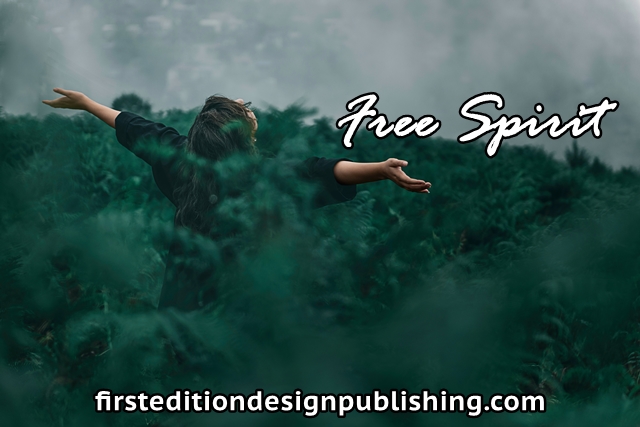
Free Spirit
DESCRIPTION: This character walks to the beat of their own drum and is comfortable being different. Because they don’t conform to traditional norms, they also don’t expect others to do so, which makes them highly tolerant individuals.
FICTIONAL EXAMPLES: Luna Lovegood (the Harry Potter series), Jane Eyre (Jane Eyre), Phoebe Buffet (Friends), Jeff Spicoli (Fast Times at Ridgemont High)
ASSOCIATED ACTIONS, BEHAVIORS, AND TENDENCIES Thinking for themselves; not being easily led Shunning routines and systems Frequently challenging conventions just by being themselves, in a non-confrontational way Enjoying solitude Easily standing up for themselves Being unconcerned with what others think Eagerly trying new things Lacking discernment; not being able to read people very well Being impulsive and not thinking through the consequences of their actions Being impractical Lacking strong financial sense
SITUATIONS THAT WILL CHALLENGE THEM Joining an institution that forces them to follow the rules, such as the military Living in a time or place where nonconformity is dangerous Doing something impulsive that has terrible consequences Being too curious and discovering something that could get them in trouble
TWIST THIS TROPE WITH A CHARACTER WHO… Is surrounded by people like them (instead of them being the oddball in the group) Is responsible and successful despite their free-spiritedness Is in a stable, healthy, long-term relationship Has an atypical trait: analytical, pushy, proper, mature, worrywart, needy, etc.
CLICHÉS TO BE AWARE OF The free spirit who goes where the wind blows, never staying in one place for long The character whose wardrobe is over-the-top unbelievable
If there’s one thing writers like to do, it’s to make characters suffer. We are all about bringing forth pain and crises, whether it be emotional, physical, spiritual, or existential. Is it because we’re a little messed up and we enjoy torturing characters? Or do we create difficult scenarios in our stories to illustrate the fact that life is painful sometimes?Probably both. No matter what our reasons for holding our character’s figurative (and possibly literal) feet to the fire, we need to do a bang up job of describing it. So join us for a deep dive on all things painful, starting with…
Pain & Your Characters: The Three Stages of Awareness Before: Anticipating Pain
Sometimes a character won’t see a threat coming, but if they do, we gain a terrific opportunity to draw readers into the moment and heighten their emotions alongside the character’s. The anticipation of pain is something we all know, and so it’s an effective way to generate empathy for characters experiencing it. When something bad is about to happen, a character may only have a heartbeat or two to steel themselves, tensing their muscles clamping their teeth tight, flinching and squeezing their eyes shut. To try and protect themselves further, they might also try to make themselves small, a full body cringe. Or it could be a natural reaction to duck, jerk back, pull away, or attempt to flee. These are all their instinctual fight-or-flight responses kicking in, doing whatever is necessary to protect them (or those they love) in the few seconds they have.
If the threat is farther out, the character’s brain has more time to churn through what might happen. Their knowledge and experiences will conjure up mental flashes of what will happen and the likely wounds and injuries which could occur. Memories may also assault them, reminding them of painful things that have happened to them, and the inescapable weight of dread hits them. To spur them into action, their adrenaline surges, prompting them to respond in some way – fight, or flee. But if there’s nothing they can do, they may experience a skin crawling sensation in expectation of the painful sensations to come.Pain isn’t always physical, of course. If they see something coming that they know will hurt them emotionally, your character could become depressed, and at a loss over what to do. Or even though they know what’s coming can’t be avoided, they may stay in bed, refuse to go out, avoid people, lie, or do something else that lines up with a flight response. They could also become anxious, obsess about what’s going to happen, and force a confrontation before they’re fully prepared to deal with it (a fight response). The source of pain could be anything – a secret about to be uncovered, a marriage nearing the point of ending, or their own child who is dying in the hospital. While we often think about how to cause characters physical pain, mental and emotional pain are just as debilitating. TIP: Whatever type of pain your character is experiencing, think about their personality, coping methods, and personal fears. This will help you determine how they will respond to threats that bring pain.
During: Physiological and Psychological Processes
When your character feels discomfort, certain things happen.If there’s a physical component, pain receptors pick up on the type of sensory input: heat, friction, tension, cold, pressure, etc. and sends signals to the brain about the area affected, the type of pain, and intensity level. Your character’s instinctual response will be to flee pain, so unless there’s a compelling reason why they must not, you can show your character trying to pull away and escape whatever is hurting them. This is especially the case when they see indicators of damage (a gash, a broken bone, blood, etc.), because the gravity of what’s happening to them hits home.Your character’s emotional state will also influence how much pain they feel. If the source of it is tied to a fear, emotionally wounding experience, or their anxiety is triggered, the discomfort they feel will be intensified. Pain levels can become so excruciating that a character passes out or enters a state of shock. This is where the body systems slow and they become distanced from their agony. Another way to use emotion in these situations is to consider feelings that might help them cope with the pain better: anger, rage, determination, etc. They can also use coping mechanisms to handle discomfort, turning to meditation, breathing exercises, self-distraction, talk therapy, etc. to work through it. Some characters might try to numb it with medications, drugs, or alcohol, but if they are attempting to manage pain through mind over matter, it will only work to a certain point. If the pain is extreme, they will no longer be able to handle it, and their responses will become extreme — screaming, writhing, or even passing out.Characters will also experience a stress reaction to pain, meaning their heart rate and blood pressure can rise, their body becomes increasingly tense, their breathing may change and tears may form. TIP: Using POV visceral sensations to show what they’re experiencing is a great way to communicate the strain they’re under.
After: Recovery and Aftereffects
After an injury or event that causes pain, your character may have a hard time with mobility, balance, and cognitive processing, so keep this in mind when you show readers what happens next. Your character likely will try and protect the injury, meaning they may hunch over as they walk, cradle a broken arm, limp, or do everything with one hand to save more injury to the other. They might have a loss of energy or motor control, have a delayed reaction time, and seek to distance themselves from others so they can process what happened and heal in private. So think about what your character will be doing in the aftermath of a bodily injury.Everyone copes with pain differently, especially pain that scores an emotional hit. Time will be needed to fully process what happened, and if the emotional hurt is far too painful to examine, characters try to bury it rather than work through it in a healthy way, leading to personality and behavioral shifts that change how they interact with the world and those in it. Unresolved emotional wounds are sources of ongoing pain, so a bit of research here on what this looks like for the type of wound is key. If your character suffered a physical injury or illness, the healing process can include different types of pain – tenderness, strain, headaches, itchiness, and the like. They may need to rest or sleep more, and if this is impossible because the danger in ongoing, their energy may drain further. It could slow their healing, and open them to infections and more injuries.
After an injury heals, your character may have scars, less range of movement, or suffer debilitating migraines or other internal reactions. Depending on what they experienced, they may also carry new fears, anxieties, a decreased ability to take risks, and even PTSD or other conditions that they will carry with them. Each new encounter with pain will make your character more wary and watchful for any circumstances where it might reoccur, so remember that as they move forward in the story.
Realistic Fiction Sometimes Means Ignoring Hollywood
Because movies only have so much time to show everything they need to, the stages of pain awareness are sometimes skimmed over. Often there’s a split-second awareness of danger and then the camera focuses on the character being injured, whether it’s a gun shot wound to the thigh or a six-pack of punches to the gut. They falter briefly, then rally to win. But when we see them again after the climax, they are usually not as in bad shape as they should be, or are miraculously fine (I’m looking at you, Jack Ryan, and your ability to be perky and ready to go after several rounds of boiling water-and-salt torture!).
In 1959, Carl Jung first popularized the idea of archetypes—”universal images that have existed since the remotest times.” He posited that every person is a blend of these 12 basic personalities. Ever since then, authors have been applying this idea to fictional characters, combining the different archetypes to come up with interesting new versions. The result is a sizable pool of character tropes that we see from one story to another.
Archetypes and tropes are popular storytelling elements because of their familiarity. Upon seeing them, readers know immediately who they’re dealing with and what role the nerd, dark lord, femme fatale, or monster hunter will play. As authors, we need to recognize the commonalities for each trope so we can write them in a recognizable way and create a rudimentary sketch for any character we want to create.
But when it comes to characters, no one wants just a sketch; we want a vibrant and striking cast full of color, depth, and contrast. Diving deeper into character creation is especially important when starting with tropes because the blessing of their familiarity is also a curse; without differentiation, the characters begin to look the same from story to story.
But no more. The Character Type and Trope Thesaurus allows you to outline the foundational elements of each trope while also exploring how to individualize them. In this way, you’ll be able to use historically tried-and-true character types to create a cast for your story that is anything but traditional.
Pessimist
DESCRIPTION: This doom-and-gloom character believes that if something bad can happen, it will. They tend to focus on flaws and potential pitfalls and see every opportunity as a new way that things can go wrong.
FICTIONAL EXAMPLES: Eeyore (the Winnie the Pooh series), Marvin the Paranoid Android (The Hitchhiker’s Guide to the Galaxy), George Costanza (Seinfeld), Sadness (Inside Out)
ASSOCIATED ACTIONS, BEHAVIORS, AND TENDENCIES Noticing even the smallest details Identifying problems and risks before they happen Avoiding potential trouble spots others may not see coming Being cautious Easily identifying things that need improvement Planning ahead Being thorough Always seeing the glass as half empty Frequently frustrating others with their constant negativity Having only a small circle of friends
SITUATIONS THAT WILL CHALLENGE THEM Having to share space with an extreme optimist Facing a situation with unknown factors they haven’t had time to prepare for Being complimented for their skills or abilities
TWIST THIS TROPE WITH A CHARACTER WHO… Is empathetic and insightful, supporting others during the crisis the character was able to prepare for Has a witty and dark sense of humor (instead of just being annoying) Has an atypical trait: affectionate, confrontational, persuasive, vain, workaholic, etc.
CLICHÉS TO BE AWARE OF The team member who rains on everyone’s parade, creating a perpetually gloomy atmosphere The cynical best friend who always prophesies doom (and turns out to be right)
In story terms, a villain is a person, entity, or force who is cruel, evil, or malicious enough to wish the protagonist harm. Rather than simply blocking a goal or interfering with the hero’s plan, a villain causes suffering, making it vital for them to be conquered by the protagonist. Clarice must find and defeat Buffalo Bill if she wants to rise above her past and become a great FBI agent (TheSilence of the Lambs); Chief Brody must kill the man-eating shark to preserve his town (Jaws).
Regardless of the form your villain takes, there are certain qualities that will make them formidable and credible—qualities and connections they share with the protagonist. Let’s explore these qualifications through a case study of Dr. Lawrence Myrick, played by Gene Hackman in the movie Extreme Measures.
Villains, Like Heroes, Live By A Moral Code
It’s been said that the best villains don’t know they’re villains; they think they’re the hero of the story. And this is true because a well-crafted baddie has his own moral code. Compared to the protagonist’s, it’s twisted and corrupt, but it still provides guardrails that guide him through the story.
Dr. Myrick is a renowned and brilliant neurosurgeon who has dedicated his life’s work to curing paralysis. It’s a noble cause that he believes in more than anything—not so much for himself but for all the paralyzed people in the world. This cause is so important that when he develops a treatment, he can’t wait decades for it to crawl through the testing process and eventually be approved. So he bypasses the animal testing phase and goes right to human trials. It’s kind of hard to find healthy subjects who are willing to take such a risk, so he kidnaps homeless people and confines them to his secret medical facility, then severs their spinal cords so he can test his treatment on them.
To the rest of the world, this is unconscionable. But to Myrick, the end justifies the means. He’s perfectly okay stealing people, taking away their freedom and mobility, and subjecting them to countless medical cruelties. And if they reach a point of no longer being useful, he’s fine doing away with them because they’re people no one will miss. He actually views them as heroes, sacrificing themselves for the greater good. His morals are deranged, but they’re absolute, guiding his choices and actions. And when you know his code, while you don’t agree with it, you at least understand what’s driving him, and his actions make sense.
When you’re planning your villain, explore their beliefs about right and wrong. Figure out their worldview and ideals. Specifically, see how the villain’s beliefs differ from the protagonist’s. This will show you the framework the villain is willing to work within, steer the conflict they generate, and provide a stark contrast to the hero.
They Have A Story Goal, Too
Like the hero, the villain has an overall objective, and they’re willing to do anything within their moral code to achieve it. When their goal is diametrically opposed to the hero’s, the two become enemies in a situation where only one can succeed.
We know Myrick’s goal: to cure paralysis. And things are progressing nicely until an ER doctor in his hospital discovers homeless patients disappearing from the facility. Dr. Lathan starts nosing around, and when he realizes someone is up to no good, it becomes his mission to stop them. So the two are pitted against each other. If one succeeds, the other must fail. To quote Highlander: there can only be one.
As the author who has spirited the villain out of your own (dare we say twisted?) imagination, you need to know their goal. It should be as clear-cut and obvious as the hero’s objective. Does it put them in opposition to the protagonist? Ideally, both characters’ goals should block each other from getting what they want and need.
Villains Are Well-Rounded
Because villains are typically evil, it’s easy to fill them up with flaws and forget the positive traits. But good guys aren’t all good and bad guys aren’t all bad, and characters written this way have as much substance as the flimsy cardboard they’re made of. Myrick is cruel, unfeeling, and devious. But he’s also intelligent, generous, and absolutely dedicated to curing a devastating malady that afflicts the lives of many.
Positive traits add authenticity for the villain while making them intimidating and harder to defeat. An added bonus is when their strength counters the hero’s.
The villain of Watership Down is General Woundwort, a nasty rabbit whose positive attributes are brute strength and sheer force of will, making him more man than animal. In contrast, hero Hazel embodies what it means to be a rabbit. He’s swift and clever. He knows who he is and embraces what makes him him. In the end, Hazel and his rabbits overcome a seemingly undefeatable enemy by being true to their nature.
When your villain is conceived and begins to grow in the amniotic fluid of your imagination, be sure to give him some positive traits along with the negative ones. Not only will you make him an enemy worthy of your hero, he’ll also be one readers will remember.
They Have A Backstory (And You Know What It Is)
Authors know how important it is to dig into their protagonist’s backstory and have a strong grasp of how it has impacted that character. Yet one of the biggest mistakes we make with villains is not giving them their own origin story. A character who is evil with no real reason behind their actions or motivations isn’t realistic, making them stereotypical and a bit…meh.
To avoid this trap, know your villain’s beginnings. Why are they the way they are? What trauma, genetics, or negative influencers have molded them into their current state? Why are they pursuing their goal—what basic human need is lacking that achieving the goal will satisfy? The planning and research for this kind of character is significant, but it will pay off in the form of a memorable and one-of-a-kind villain who will give your hero a run for his money and intrigue readers.
They Share A Connection With The Protagonist
In real life, we have many adversaries. Some of them are distant—the offensive driver on the highway or that self-serving, flip-flopping politician you foolishly voted for. Those adversaries can create problems for us, but the ones that do the most damage—the ones we find hardest to confront—are those we share a connection with. Parents, siblings, exes, neighbors we see every day, competitors we both admire and envy, people we don’t like who are similar to us in some way…conflicts with these people are complicated because of the emotions they stir up.
The same is true for our protagonists. The most meaningful clashes will be with the people they know. Use this to your advantage. Bring the villain in close and make things personal by engineering a connection between the two characters. Here are a few options for you to work with.
Give Them a Shared History. The more history the two have, the more emotion will be involved. Guilt, rage, grief, fear, jealousy, regret, desire—strong feelings like these will add sparks to their interactions. They’ll cloud the protagonist’s judgment and increase the chances their villain will gain an edge.
Make Them Reflections of Each Other. What happens when the protagonist sees him or herself in the villain? A seed of empathy forms. The hero feels a connection with the person they have to destroy, which complicates things immensely. Personality traits, flaws, vulnerabilities, wounding events, needs and desires—all of these (and more) can be used to forge a bond that will add complexity and depth to this important relationship.
Give Them a Shared Goal. When your hero and your villain are pursuing the same objective, it accomplishes a number of good things. First, it ensures that only one of them can be the victor, pitting them against each other. But they’re also more likely to understand one another. They’ll have different reasons and methods of chasing the dream, but the shared goal can create an emotional connection.
Voice is one of those elements that can make or break a manuscript. If you get it right, the novel will live in the reader’s mind long after they put the book down. Without it, the story won’t quite achieve what you’ve intended even if all the structural elements are in place.
Here’s one thing that doesn’t work: verbal tics. How many times can you have your character repeat certain phrases before it starts to get, well, annoying? Not very many.
Here’s another: sarcasm.
Sarcasm is an easy voice to capture, so it seems to be the one many authors lean toward to make their narrator sound different. Cross it off the list. No one is consistently sarcastic, or angry, or melodramatic. When you make your narrator into a type like this, they come across as one-dimensional and unrealistic.
Who Is This Person?
The idea of voice only being a mood or a way of talking misses the bigger picture. Voice is a way of being in the world. For that reason, I would recommend approaching it from another direction: by exploring who this person is that you’re trying to bring to life.
While I don’t think character questionnaires are the way to nail voice, they can be a good steppingstone in getting to know your character—because I don’t think you can capture a character’s voice until you fully know who they are.
Look at how the answers to a few key questions can change the type of person you’re dealing with.
What does your character do for a living?
A baker will have a different way of viewing the world than a plumber or a doctor. They’ll notice different things, use their own analogies, have unique priorities, behave differently in various situations. You’ll know they’re a baker not because the author has placed them in a kitchen wearing oven mitts but because they see ideas for new pastries in the shapes of flowers. They’ll think like a baker.
If you were to read a story in which all you got was oven mitts and cookie trays, you’d feel like you were reading something generic—because the author would not have captured a baker’s way of navigating the world.
How old is your character? What is their marital status?
A twenty-something single woman will have a different way of dealing with people than a fifty-something woman who’s just left a long, dull marriage. Or maybe the marriage was abusive: that would give her another voice. Or maybe she’s never been married, but her sister is in a happy marriage: different voice again. She’ll have to manage Valentine’s Day; she might get upset by seeing couples at candlelit tables for two in a restaurant.
Voice is all about the lens through which your character views the world. One of the most significant things that clarifies this lens is their goal: what do they want in the story? If someone wants respect, they’re going to act in certain ways and say certain things that will be very different from someone who’s out for revenge.
Where do they come from? What kind of family do they have? Wealthy or poor, loving or abusive? Are they the first-born of a large family, or are they the baby? Are they an only child?
Every answer creates a type of person who will act and react in diverse ways. Many of these actions and reactions won’t be conscious, but they’ll be there, and they’ll cement in place patterns of behavior that will (hopefully) cause that character all sorts of problems.
But answering those questions is only step one.
What Next?
Now, you have to put your characters into action: slip on their shoes and see the world through their eyes. Usually that means writing your way into the story in one form or another: by journaling in their voice, answering interview questions in their voice, or (my preference) simply throwing yourself into the story world and getting them moving.
This is why it’s so important to differentiate the narrative voice from the author’s voice. Unless the author is the narrator, they have no business speaking up. Your reader will have picked up a particular book to experience the world from the point of view of a female scientist in the 1960s (Lessons in Chemistry) or a college student in the classics who becomes enthralled with an eclectic group of students with whom he doesn’t quite fit in (The Secret History). The extent to which the author can deliver on that promise also turns out to be the extent to which they’ve captured the narrator’s way of seeing the world, which is… voice.
Why Voice Is So Important
Voice is not the only thing in a novel. But if you don’t nail it, you won’t have used point of view to its fullest potential, nor will you truly know your story—because you won’t know the main actors who are driving it forward. It won’t feel authentic, and your readers won’t feel the same emotional draw that they’ll experience when a character comes to life on the page and says, Let me show you what the world looks like through my eyes.
Isn’t that why we come to fiction in the first place?














 First Edition Design Publishing - a hybrid publisher
