Monthly Archives: May 2022

Want Readers to Connect to Your Character? Include this Element.

Some characters have more shape and weight than others, feeling so authentic we can almost believe they walked right out of the real world. Their emotions, vulnerabilities, needs, and desires ring so true, we can’t help but be pulled in by them. These characters hold us hostage while we read, and as writers, we start analyzing why we care so much so we can duplicate this magic in our own stories.

So, what’s the secret sauce that creates such a powerful connection?

Recognition.

When readers see something within the character that resonates, something they themselves think, feel, or believe in, it becomes common ground that binds them to the character.

But wait, you say. That makes no sense! What does my thirty-two-year-old, baby Yoda collecting schoolteacher-slash-reader have in common with the fiery, laser-zapping sky captain in my steampunk sci-fi?

Oh, not much, except maybe…

  • The pain of a loss
  • Making a mistake that can’t be fixed
  • The agony of hurting a loved one
  • How time stretches in a moment of humiliation
  • Knowing a love so pure they’d sacrifice anything for it
  • The dark thoughts that accompany a desire for revenge
  • Failing and letting others down
  • The chest-expanding rush of pride or validation
  • The relief that comes with getting a second chance
  • Experiencing the sting of betrayal
  • Worrying the past will repeat itself
  • Finding the courage to live one’s truth

…and so on.

Experiences, Good and Bad, Connect Us All

No matter who your character is, human or not, protagonist or antagonist, they will have experiences in common with readers. These may look very different, but in the hands of a strong storyteller, they will be recognizable, holding a core truth that stirs a reader’s thoughts and emotions. In some form, readers feel an echo of having lived the same moment, stood at the same crossroads, or felt the same thing, as the character.

Recognition is a powerful tool, hooking readers and keeping them engaged. By thinking about what it is to be human, and how to use that to find areas of common ground, we can create mirrors within our characters that draw readers in and trigger their empathy.

Two of the best places to look for common ground experiences that will really resonate are Emotional Wounds and Meaningful Goals.

Emotional Wounds

Trauma is an unfortunate side effect of life. We all carry the burden of painful experiences – you, me, and readers. People can hurt and betray, they can let us down, and we can do the same to them or ourselves.

Anything that is a big part of the human experience is something we should weave into our character building. By brainstorming a character’s emotional wounds, we make them authentic, and it gives us a powerful way to reveal their vulnerabilities to readers.

Emotional wounds come in all shapes and sizes: Betrayal. Humiliation. Rejection. Injustice. Neglect. They cut, bruise, and most importantly, change the character. Just like us, the person a character was before a traumatic event and who they become after will be different. In the aftermath they carry scars in the form of unmet needs, fears, and false beliefs. They may believe they are less worthy, less capable, or somehow at fault. A wounding event can also reshape how the character sees reality, causing them to think people can’t be trusted, that the world is callous and unfair, or believe life’s cards are stacked against them.

Watch how the Character Builder helps you uncover your character’s backstory wounds.

As readers, we may see all the ways their thinking is flawed, yet still understand why they believe what they do. Their experience informs their opinions, just as ours inform us. And even as we root for them to see the truth and be free of their pain, we recognize and relate to the experience of missing what’s right in front of you.

We’ve all experienced wounds and seen loved ones be swallowed up by fear these events create. We’ve witnessed their dysfunctional behavior and unhealthy coping mechanisms cause problems. So when a character misbehaves, lashes out, or holds back because they are afraid of being hurt again in the book we’re reading, we get it. We connect to their struggle. Their fear is our fear. We carry the burden of it together.

Meaningful Goals

Imagine a line where an emotional wound is on one end and the other, a meaningful goal. One represents fear, the other hope. And as powerful as fear is, hope can best it, which is why we give characters goals to aim for.

Hope is having trust and belief that something can change. In the story, hope tips the scales in the moment when a character decides what they want is more important than what may hurt them. They hold to hope, step out onto the ledge, and move forward despite fear.

Your character’s goal can be anything: To find a lifelong partner. Succeeding where they once failed. Forgiving themselves. Pursuing justice, Protecting a loved one. The only qualifier is to make this goal meaningful so they have strong motivation to achieve it. When obstacles appear, or adversity and conflict batters them, hope that they can get what they need most keeps them on course.

And beside them as always is the reader, willing them to succeed. Neck bent, readers consume words, desperate to know the outcome because the biggest recognition of all is unfolding: a shared journey.

Character Arc: Where Readers and Characters Collide

Why are readers so fascinated by the character’s journey? After all, it’s only fiction right, a bit of entertainment, an escape.

Or…could it be something more?

Okay, that’s a trick question. A character’s journey to leave behind a hurtful or limiting past and cross into a better, more fulfilling future should remind you of something because life is a series of journeys. Like the character, we are always moving toward a better tomorrow. We yearn for internal completeness just as they do, so when we read, we recognize the steps they take, and the courage, growth, and sacrifice along the way. We root for characters to win because deep down, we are rooting for ourselves to win, too.

So, when you write, find common ground. Put those shared experiences on the page for readers to recognize! Readers should see themselves in the character’s vulnerability and uncertainty, their wounds and fears. But most of all, showcase the character’s hope and goals. These remind readers what’s worth fighting for both in fiction, and in life.

By ANGELA ACKERMAN

Source: writershelpingwriters.net

Follow us on Facebook and Twitter

Visit us at First Edition Design Publishing

What’s Your Character Hiding?

Being able to write realistic, consistent, multi-dimensional characters is vital to gaining reader interest. Doing so first requires we know a lot about who our characters are—you know, the obvious stuff: positive and negative traits, behavioral habits, desires, goals, and the like. But it’s not always the obvious parts of characterization that create the most intrigue. What about the things your character is hiding?

Everyone hides. We hide the goals we know are wrong for us, opinions that may turn others against us, or feelings and desires that make us feel vulnerable—basically anything with the potential for rejection or shame.

The same should be true for our characters. When characters are cagey out of a need to protect themselves from emotional harm, readers understand that. It makes the characters more authentic and can pique your readers’ interest as they try to figure out the secret or worry over what will happen when it comes to light.

7 Things Your Character Is Hiding

To add this layer of depth to your characters, you first need to know what’s taboo in their minds—not only what they’re hiding, but why. Here are some common things your character may feel compelled to conceal from others.

1. Desires

Desires are an important part of who your characters are. These desires drive their actions and decisions in the story. While these wants are often transparent, there are situations in which the character may not feel comfortable sharing them.

Maybe she’s secretly pining for her sister’s ex, or she longs for a career forbidden by her parents, or she wants to fight her boss’s unethical behavior but is afraid of losing her job.

Forbidden or dangerous desires can add an element of risk, upping the stakes for the character and making things more interesting for readers.

2. Fears

Everyone has fears. Many of those fears are perfectly acceptable, which makes it safe for us to share them. It’s the ones that make us feel weak or lessen us in the eyes of others that we keep in the dark.

Think about really debilitating fears, such as being afraid of a certain people group, physical intimacy, or of leaving one’s house.

Fears like these should always come from somewhere—maybe from a wounding event or negative past influencers. Make sure there’s a good reason for whatever your character is afraid of.

3. Negative Past Events

Speaking of wounding events, we each have defining moments from the past that we’re reluctant to share with others or even acknowledge ourselves.

What’s something that could have happened to your characters that they’ll go to great lengths to keep hidden? What failures or humiliating moments might they alter in their own memories to keep from facing them?

Wounds are formative on many levels, so it’s important to figure out what those are and how they may impact the character.

4. Flaws and Insecurities

Being flawed is part of the human experience. There are things about ourselves we don’t want to examine too closely and which we definitely don’t want others to know about.

For characters, these flaws often manifest as insecurities or negative traits (such as being weak-willed, unintelligent, or vain). Whether these weaknesses are real or only perceived, characters will try to downplay them.

But part of their journey to fulfillment includes facing the truth and acknowledging the part their flaws play in holding them back. To write their complete journeys, your need to know what weaknesses they’re keeping under wraps.

5. Unhealthy Behaviors

Sometimes characters exhibit behaviors or habits they know aren’t good for them. Maybe these behaviors stem from a wounding event or an unhealthy desire. Maybe they really want to change, but they don’t know how.

Whether it’s an unhealthy relationship with food, a gambling addiction, or a compulsion to self-harm, they’ll expend a lot of energy to keep these behaviors hidden.

Revealing these behaviors to readers, while hiding them from other characters, is a great way to remain true to the human experience while also building reader interest.

6. Uncomfortable Emotions

While it’s healthy to embrace and express a range of emotions, characters are not always comfortable with all the feelings. This may occur with emotions that are tied to a negative event from the past. It may be an emotion that makes the character feel vulnerable or is culturally unacceptable.

The character will want to mask any uncomfortable emotions, often disguising them as something else: embarrassment is replaced with self-deprecation, or fear manifests as anger. This duality of emotion is important because it humanizes characters for readers and adds a layer of authenticity that might otherwise be missing.

7. Opinions and Ideas

Everyone wants to be liked. To gain the respect of others, we often go so far as to sacrifice honesty.

If an opinion isn’t popular, your characters may keep it to themselves. If they have good ideas others won’t appreciate, they won’t share them—or they’ll get the ideas out there in a way that allows them to avoid taking ownership.

Peer acceptance is important to everyone; that need, and the secrets that accompany it, are something that every reader will be able to relate to.

By BECCA PUGLISI

Source: writershelpingwriters.net

Follow us on Facebook and Twitter

Visit us at First Edition Design Publishing

Using Crisis to Reveal Character

By September C. Fawkes

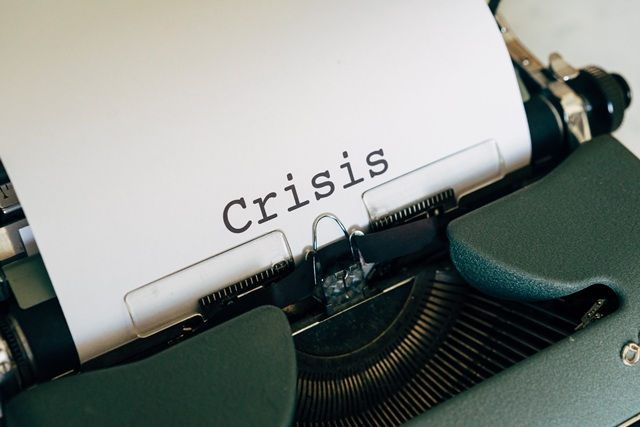
In the writing community, a crisis (also known as a “dilemma”) happens when a character has to choose between two opposing things. And he can’t have both.

Shawn Coyne, author and creator of The Story Grid, breaks crises down into two types:

a. The Best Bad Choice

The character has to choose between two negative options.

Ex. Katniss Everdeen has to either kill Peeta, or risk killing herself.

b. Irreconcilable Goods

The character has to choose between two positive options.

Ex. A protagonist has to choose between the job of her dreams, or the man of her dreams.

While the categories are helpful when teaching and talking about crises, in many stories, the options may not be obviously “good” or “bad.” For example, in The Hobbit, Bilbo Baggins gets called on an adventure. He has two options: Refuse and continue to live his predictable life, which invites a sort of personal stagnation, or accept and risk danger and death, which include gaining personal experience and growth. From the audience’s perspective, we may say that going on the adventure is the best, and obvious choice, but that isn’t how it looks to the character. Each option has both negative and positive stakes tied to them: Stay safe and alive, but somewhat stagnant, or risk danger and death, and grow through experience.

While traditionally crises are talked about with pairs of options, it’s technically possible to have more than two things to choose from—the keys are that the choice needs to be difficult, irreconcilable, and hard—if not impossible—to reverse (at least not without significant ramifications). It’s also possible that in some crises, not making a choice is an option, but for that to work, it needs strong stakes.

The crisis is a moment where we lay out current stakes and the directions the story could go, depending on what the character chooses. This reinforces the character’s agency, and what the character selects will reveal a lot about him or her. In fact, a crisis is one of the most effective ways to reveal true character.

When Katniss chooses to risk killing herself over simply killing Peeta, it reveals that, when it gets down to it, she’s more willing to sacrifice herself in an effort to protect the innocent, than others to benefit herself. In contrast, President Snow and the Capitol repeatedly pick the opposite. When a character chooses her dream job over her dream man, it shows she values her career more than her romantic relationships. And when Bilbo accepts Gandalf’s invitation, it reveals he’d ultimately rather risk danger and death to experience adventure.

A crisis helps indicate a character’s true belief system. It’s easy to proclaim we will do something when there are no stakes or competing choices. I might insist repeatedly that I always tell the truth . . . but if telling the truth could get me fired, leaving my family with little to eat, I face a difficult decision. Do I value honesty or food more? To dig a little deeper, we may ask why I value one over the other, or how I came to value one over the other.

Crises can also be very effective in character arcs. If you are writing about a protagonist who changes because of the story, you may use a crisis at the beginning of the story to reveal what the character initially values. For example, I may show our protagonist choosing her work over her boyfriend. At the end, you may choose a similar crisis to show how the character now believes differently. Our protagonist chooses the man of her dreams over the job of her dreams. If you are writing a steadfast (also known as a flat-arc) protagonist, you will show how the protagonist ultimately chooses the same option, despite the added pressure of the climax. Katniss initially chooses to risk sacrificing herself to protect Prim. Regardless of what the Games have tempted her to do, she ultimately makes the same choice to try to protect Peeta.

Because crises emphasize agency, they also put responsibility on the protagonist. When he chooses an option, he’s also choosing its ramifications. If Katniss killed Peeta, she’d have to live with that, but she’d be safe. Because she didn’t, she puts herself, family, and ultimately all of the districts at risk. She now has to deal with the consequences of that.

Crises can be a great way to create internal conflict and also plant seeds of doubt and regret, as the character may be haunted by her choices and the accountability they bring.

Using crises will strengthen any story, particularly by revealing character.

Source: writershelpingwriters.net

Follow us on Facebook and Twitter

Visit us at First Edition Design Publishing
Fear Thesaurus Entry: Agoraphobia


Debilitating fears are a problem for everyone, an unfortunate part of the human experience. Whether they’re a result of learned behavior as a child, are related to a mental illness, or stem from a past wounding event, these fears influence a character’s behaviors, habits, beliefs, and personality traits. The compulsion to avoid what they fear will drive characters away from certain people, events, and situations and hold them back in life. 
In your story, this primary fear (or group of fears) will constantly challenge the goal the character is pursuing, tempting them to retreat, settle, and give up on what they want most. Because this fear must be addressed for them to achieve success, balance, and fulfillment, it plays a pivotal part in both the character arc and the overall story.
This thesaurus explores the various fears that might be plaguing your character. Use it to understand and utilize fears to fully develop your characters and steer them through their story arc. Please note that this isn’t a self-diagnosis tool. Fears are common in the real world, and while we may at times share similar tendencies as characters, the entry below is for fiction writing purposes only.

Agoraphobia
Notes
Agoraphobia is an anxiety disorder that causes people to be afraid of places or situations that could bring on a panic attack. Their fear of being unable to get help or escape during one of these attacks can make it difficult for them to navigate open spaces, elevators, crowds, concerts, church services, movie theaters, or any place where a panic attack might come on. In extreme cases, a character suffering from agoraphobia may reach the point where they’re uncomfortable leaving their home at all.
What It Looks Like
Frequent panic attacks or elevated anxiety in certain places
Consistently avoiding certain locations or situations
Making choices that enable the character to stay at home (working from home, having groceries delivered, etc.)
The character often declines social invitations to certain places (amusements parks, church services, weddings, etc.)
Only venturing outside with a companion
Clinging to the friends or family members who are supportive
Becoming isolated
Common Internal Struggles
Want to not be limited by fear but it is too strong to ignore
Knowing the fear is irrational but being compelled to give in to it
Feeling guilty for making excuses about not being able to attend certain events
The character feel like they can’t trust their own mind or emotions
Feeling defective or broken
Becoming depressed
Slipping into despair—believing that things will never change or get better
Wanting to seek help but feeling too overwhelmed or incapable
Feeling misunderstood and alone, as if the character is alone in their suffering
Worrying about what others think
Flaws That May Emerge
Addictive, Compulsive, Cynical, Defensive, Evasive, Inhibited, Insecure, Needy, Nervous, Obsessive, Self-Destructive, Timid, Withdrawn
Hindrances and Disruptions to the Character’s Life
Being unable to do things the character would like to do
Having to lie or make excuses for why they can’t attend an event
Missing out on interactions with others
Not being offered (or not being able to accept) job advancement opportunities
Settling for a career that isn’t exactly what the character wants because it enables them to work from home or a certain location
The character’s outings are contained to a finite area because they’re unable to drive or use public transportation
Being dependent on medications with undesirable side effects
Depending on others; the character have to arrange their day and outings around the people who can go places with them
Being exhausted and mentally depleted after an outing
The fear of a panic attack bringing on panic attacks
Scenarios That Might Awaken This Fear
Losing someone who understood and cared for the character
Experiencing a stressor (getting in a car accident, being victimized, losing a job, etc.)
Having to go to a location that is a known stressor for the character
A change in circumstance that makes it harder to avoid stressors—totaling a car and having to rely on public transportation, for instance
Feeling the beginnings of panic or an elevation in anxiety
Seeing looks of pity or disdain from others when the character is struggling with panic or anxiety.

By BECCA PUGLISI
Source: writershelpingwriters.net

Follow us on Facebook and Twitter

Visit us at First Edition Design Publishing