My Map to Immersion

I’ve always loved maps. My earliest memories of map-reading are from family car-trips. My dad would reach into the (gigantic!) glove compartment of our ’68 Chevy Bel Air, and hand back the newest neatly folded roadmap of Michigan from his (gigantic!) pile of maps to my sister and me (hey, anything that quiets backseat rowdiness). He religiously picked up the AAA’s latest version from his insurance agent, whose office was a stone’s throw from his barbershop. (In his defense, those were days of growth for American infrastructure.)

My sister and I would pore over the map, pointing out the odd town names of the Mighty Mitten, and giggling over the absurd trips one could make between them: from Bellevue to Belleville (in our Bel Air!); Pontiac to Cadillac; Bad Axe to Hell; Podunk to Jugville; and even Colon to Climax (a very pleasant 30 minute ride, I swear).

Beyond the giggles, I found it all enthralling. I mean, let’s face it, Michigan has an alluring shape. Not to mention her 3,288 miles of shoreline (second only to Alaska). I remember studying the coasts, the islands, and the towns at the extreme tips of peninsulas—places like Northport, Mackinac, Copper Harbor, and Whitefish Point, and wondering how it would feel there—to be surrounded by nothing but water and forest. I’ve since been to most of the places I wondered about. And though a rare few failed to live up to the expectations of youth, most have exceeded them, and several have become favorite getaways.

My love of maps has undoubtedly contributed to my enduring love of my home state. But I can see that my love of maps also provided a natural lead-in to my love of reading.

And I’ve also become convinced that a line can be drawn from my love of maps to my current life as a writer. Allow me to diagram my case.

A Tolkien of My Affection

As some of you may know, I write epic fantasy, and cite Tolkien as a guiding star among the constellation of my inspirations. Before reading Tolkien, I’d been captivated by a middle-grade book by Dirk Gringhuis called The Young Voyageur. My parents bought it for me in the gift shop of the restored Fort Mackinac, on Mackinac Island (one of those intriguing map dots I mention above). The entire inside cover of the book is a map of the Great Lakes, marked with all of the French and British forts along the shores, and charting the protagonist Danny’s travels, covering hundreds of miles of shoreline and rivers… in a canoe!

Many of the places Danny found himself were places I had visited (thank you, history-buff parents). As I read I found myself referring to the map often. I also remember going to our family encyclopedias to look up French Voyageurs (thank you, “go-look-it-up-yourself, kid” parents). And I clearly recall finding an image of an early French map of the Great Lakes much like the one at the top of this post. I was predictably fascinated, trying to reconcile rivers and landmarks, marveling over how it might have been drawn at the time that it was. All of which put me right into Danny’s shoes.

I’m not sure how long it was after reading The Young Voyageur that I discovered Tolkien (thanks, Mr. Raymond!), but not more than a couple of years. I remember stumbling upon the map at the front of The Hobbit before I started it, and loving the tiny trees of Mirkwood and the drawings of the Misty Mountains. Closer study revealed the tiny dragon drawn above the Lonely Mountain and the spiders embedded in the forest. Then there was that heavy line from top to bottom demarking, “The Edge of the Wild.” Whoa.

There was so much to be gleaned. Which only served to fuel my fervor for the story.

The whole process started over again with The Lord of the Rings boxed set, except this time I didn’t need to stumble upon the map. I immediately sought it out, and was delighted to find the map expanded to reveal Middle Earth in its glorious entirety. It was an enticing indication of how far the story would expand, and I endlessly dissected it, referring to it almost comically often as I read.

Undeniably Tolkien’s maps played a role in pointing me down the storytelling path.

Connecting the Dots

Though I’ve always loved them, lately maps have been even more on my mind than usual. It started with WU’s own Tom Bentley, who’d come across an excellent essay on books with maps by Sarah Laskow. Tom rightly surmised that I’d be of the map-geek persuasion, and kindly passed it along. A few days later a dear friend reached out to me with a question about my latest manuscript, which she is kindly beta-reading. The question was about the locations of two port cities. Her confusion was understandable, but it made me realize that a glance at a map would’ve easily answered it. But I hadn’t provided one.

Over a decade ago I read a piece by fantasist Joe Abercrombie about why he hadn’t included a map for his debut, in which he says, “I want a reader to be nailed to the text… not constantly flipping back to the fly-leaf to check just how far Carleon is from Uffrith, or whatever. The characters often don’t know what’s going on. If they don’t have a conveniently accurate map to hand, why should the reader?”

Abercrombie’s piece contends that our stories should be compelling and self-explanatory without visual aids. Plus, not being trained cartographers (Joe and I and most other writers), our efforts can potentially open us to a level of scrutiny that’s often irrelevant to the story. At the time of reading it, I’d already tried my hand at mapmaking. Extensively. And in my less than stellar results I immediately saw his point. Besides, agents and editors to whom we submit will consider no such supplement.

I determined then that, in spite of my love of maps, the story would have to stand on its own. And I simply stopped drawing them.

Finding the Way Back to Maps 

“One of life’s great treats, for a lover of books (especially fantasy books), is to open a cover to find a map secreted inside and filled with the details of a land about to be discovered. A writer’s map hints at a fully imagined world, and at the beginning of a book, it’s a promise. In the middle of a book, it’s a touchstone and a guide. And at the end, it’s a reminder of all the places the story has taken you.”—Sarah Laskow, from her essay, How Writers Map Their Imaginary Worlds

In the interest of full disclosure, there have been occasions when a reader has requested one, and I’ve sent along my old original map (redrawn by my talented brother-in-law from one of my crappy attempts). Also, full disclosure: Abercrombie’s recent books have maps, though I’m not sure if he changed his mind or was pressed to it by his readers or his publisher.

But generally speaking, I’ve chugged along through six manuscripts without the inclusion of maps. The world of my story has since expanded well beyond my old maps’ borders. Though my story-world is roughly based on the Black Sea and Aegean regions and the Danube River Valley, a real map would never suffice as a stand-in.

My story-world is fairly vast, with a wide variety of topography. There are smoky villages and teeming cities; rocky peaks and round, green mountains; thundering seas and calm blue lakes; vibrant young pine forests and aging oak woods. And yet most every square mile of this fictional realm has remained crystal clear to me. I often struggle to recall the names of minor characters and other details, but I have almost perfect recall of the place names, along with a mental image of each.

It was Laskow’s quote above that spurred me. I finally attempted a map of the entire area of my current story-world. The endeavor has awoken something deep and old inside of me. Something enduring. I am relearning something about myself. True, as a storyteller, maps can show you how to put things in context. They can help you keep your storyline straight and true, even if they’re never meant to be shown to readers.

But more than any of that, maps are an invitation to wonder, and an incitement to imagine.

[As an aside: these days, with so many tools available online, there’s no excuse to avoid making maps, if only for your own use. I used a fantasy mapmaking website called Inkarnate. My attempt is far from complete, and the scale still feels off (reminding me of Abercrombie’s warning). But making it was easy and fun. I’ve put it on my website, if you’re curious.]

Whether you’re a map lover like me, or are just looking to be reawakened to wonder, I encourage you to give story mapmaking a try.

Charting a Course to Fiction

I’m certain that my work will have to continue to stand on its own without any visual aids. But I’m glad I found my way back to my love of maps.

I can more clearly see the path that brought me here. It was about more than a boy learning to read a map. It was about finding where I was and imagining where else I could go. Which is only a short trip to wondering what it might be like there. Then just a step to imagining what might happen next.

Isn’t that what fiction is—mentally conceptualizing the world through an invented scale, then conveying that concept via the written word? Placing yourself on the page, then visualizing the ability to move within it, and then finding your way to a new and unknown experience?

It certainly has been for me. I believe that my love of maps provided a model for what followed in the pages of my story beyond. And in the pages I continue to produce. Maps have provided the very genesis of my ability to immerse myself in story. I consider it a wonderful gift.

Which direction do you fall when it comes to book maps? Do you love maps? If so, can you draw a connection from that to your love of fiction?

Wishing a happy Thanksgiving to the Americans among you. I hope everyone safely finds their way to a blessed holiday among family and friends.

By Vaughn Roycroft
Source: writerunboxed.com

Visit us at First Edition Design Publishing
Writing for Audiobook

Do you love audio books?  Maybe you like to devour the latest epic fantasy novel while you’re on an equally epic road trip, or let a new thriller by your favourite writer entertain you during a boring but necessary house clean. Maybe you have a child who adores the Harry Potter books but is not quite up to reading the last two on his or her own – how excellent to have Stephen Fry do that job instead. I’m of a generation that used to enjoy radio serials – in New Zealand we had one called Portia Faces Life (Portia was a lawyer whose personal and professional lives were both complex.) Another was Doctor Paul: A Story of Adult Love, which I suspect couldn’t have been so very adult, or my parents would not have allowed me to listen to it on days when I was home from school sick.  I also remember the evening book readings on radio, in particular Arthur Conan Doyle’s Sherlock Holmes stories, and a night plagued by fearful dreams after listening to The Speckled Band.

Fast forward to the present day. Technological advances have transformed our world, both for good and bad. The publishing business is no exception. I’ve been a published writer for twenty years, and I’ve been fortunate enough to see almost all my novels published not only in print and ebook formats, but also as audio books. Up until this year, the books have come out first in print and ebook, and have later been produced as audio books, often with a different publisher. The audio books have proved popular with readers, sometimes outliving the print editions. Maybe that shouldn’t surprise me in this time-poor society! Audio books allow multi-tasking in a way print books and ebooks don’t. This year I’ve been writing a novel specifically intended for audio book production. This was something new for me, and I’ve learned a few things along the way.

As a reader, I value the effective and original use of voice – my favourite writers of fiction all use voice cleverly to help convey the mood and meaning of their story, to give it a unique shape and character. I try to do the same in my own writing, and increasingly I develop structures around voice. This particular story is an expansion of a novella already written and published. The story, Beautiful, is based on the fairy tale East of the Sun and West of the Moon, and my version is written in first person from a single point of view. My narrator is not the heroic young woman who is the protagonist of the original tale. My character is not human. The story I created for her has its roots in the fairy tale, but moves far beyond it. Because I had worked hard to develop this character’s striking and unusual voice, I believed the story was particularly suited to audio book production. Here are some things I’ve learned along the way.

I generally read my work aloud to check that rhythm and flow are OK, and I knew that would be especially important this time around. Reading aloud helps you to hear what is clunky, what is repetitive, what is long-winded, and also what soars, what soothes, what makes a strong and powerful statement. It highlights bad pacing and stylistic errors such as oft-repeated words, sequential sentences with the same structure, lack of variety in sentence length and so on. I was happy with my manuscript as submitted, but as I hadn’t done a straight-to-audio book project before, I wasn’t sure what to expect. The editorial notes I got back were overall positive, but it was clear I still had a few things to learn about writing for audio book.

I had not considered how my word count would equate to the time taken to narrate. My editor pointed out that a certain section of the book, in which not much action occurred, added around 7,000 words, and that this would take 45 minutes of audio. I was shocked! His request that I tighten up that part of the story seemed entirely reasonable, and I did so. In retrospect, I think I was lucky that they accepted a ms that was (drops voice to a whisper) nearly 20,000 words longer than the contracted word count.

Some things simply don’t work in an audio book. My character can read and write, but in a very limited way. At one point in the book she’s writing place names on a map, in company with another character who can draw but not write. In the text, the place names are spelled correctly when our narrator is saying them aloud: Queen’s Castle, Troll Cliffs, and so on. But as she writes them on the map she spells them as a small child might do: Kweens Kasl, for instance. In an audio book the misspellings would sound exactly the same as the correct names, and would therefore be nothing but a stumbling block for the person narrating, and meaningless to the listener. I changed them back on request.

I’ve realised while working on this project how much I care about the way my stories sound, whether read aloud, or as imagined in the mind of the reader. I’m sure that comes first from my lifelong love of traditional storytelling which has a rhythm and flow all its own. And it comes also from being a musician since I was very young – if you love music as well as writing, the patterns of the first make their way into the second. Now I’m waiting with eager anticipation to find out who is chosen to narrate my book.

Some of you may have narrated your own audio books. Some of you may have published your own. I’d love to hear your experiences with audio book writing and publication.  Please share your successes and challenges in the comments section. Or tell us about your favourite audio books and why you love them!

By Juliet Marillier
Source: writerunboxed.com

Visit us at First Edition Design Publishing
How to Write a Non-Fiction Book: 10 Crucial Steps

Have you ever thought about writing a non-fiction book?

Maybe you’re worried that you need to be an “expert”, or you feel daunted by the idea of writing so many words. But you can’t quite let go of that dream of seeing your name on the cover of a finished book.

You might have lots of different reasons for contemplating a non-fiction book. Maybe:

  • You want the book itself to bring in money – a perfectly reasonable ambition!
  • You plan to use the book to give you greater credibility and authority in your field – making it easier for you to get paid speaking gigs, for instance.
  • You want the book to essentially be a marketing tool for your business – this might be a short free ebook that you give away on your site, or a fairly cheap mass-market book that introduces new readers to you.

Whatever your reasons for writing, this post will take you through what you need to do – step by step – to write your book.

Step #1: Figure Out How You’ll Publish Your Book

This might seem like an odd first step, but it’s really helpful to have in mind how you’re going to get your book out into the world, right from the start.

If you know you’re going to self-publish, for instance, you’ll have full control over the project (and full responsibility for every step). If you definitely want to seek a publisher, you’ll go about things a slightly different way – publishers of non-fiction typically want to see an outline and a sample chapter, not a finished manuscript, so they can have input into your project.

If you want to supply the finished book for free (probably as an incentive to get people to join your email list), then that will also inform your choices during the next few steps: you’ll probably want to write something quite short and simple.

Of course, it’s possible that you’ll end up changing your mind at some stage – but by having a goal in mind at the start, you make it far more likely that you’ll see your project through to completion.

Step #2:  Decide on Your Core Topic

You may already have a particular topic or idea in mind for your book: if not, now’s the time to jot down lots of possibilities so you can choose the one that appeals to you most. If you already have an online audience (perhaps on a blog or through a Facebook page or group), you might want to ask them to help you choose between your top two or three ideas.

Many books are published each year on well-worn topics, like “how to be organised” or “how to lose weight”. If you want to write about something that’s already been extensively covered, look for a new angle on it. This doesn’t necessarily have to be a completely new approach – it could mean, for instance, having an unusual structure to your book. For those looking to write a self-help book, for instance, Lisa Tener has three tips you can use to make sure your book will standout and sell.

It’s important to choose a topic that you genuinely want to write about. You’re probably going to be working on this book for months – so don’t pick something just for the sake of it, or because you think it’s going to be a lucrative area.

Step #3: Brainstorm Everything Related to That Topic

At this stage of the process, your aim is to get as many ideas down on paper as possible. It doesn’t matter if some of them aren’t very good, or if they don’t really fit – you can get rid of them later! Just concentrate on scribbling down everything that could go into your book.

If you find yourself struggling at this stage, take a look on Amazon at some similar books, and glance at their Tables of Contents. Do they have chapters on any areas that you should probably cover too? Is there anything that you feel is missing – that you could cover in your book? You might also want to look at magazines related to your topic, including the letters from readers: these can give you good clues about the concerns and interests of people who enjoy your topic area.

Don’t worry if some of your ideas are ones that you don’t know much about: that’s where research comes in! At this stage, you don’t want to dismiss anything as “too hard”, so keep it all on your list for now. If you later decide that something is a bit beyond the scope of your book, that’s fine.

Step #4: Write a Rough Outline for Your Book (with Chapter Titles)

background image
Now that you have lots of ideas down on paper, it’s time to turn them into a chapter by chapter outline. (You might well also be splitting your book into parts, if it covers quite a broad topic.) It normally makes sense to have the more basic chapters at the start of the book, then the more advanced ones later, if the reader is likely to read chapter-by-chapter rather than using the index to go straight to whichever part interests them most.

It’s a good idea to give each chapter a rough title at this stage – see this as a working title rather than something set in stone. You can always change it later. You might want to think about making your titles consistent (e.g. all roughly the same length, all starting with an “-ing” verb).

You can also use the mind mapping technique to create your outline. Here’s how Reedsy describes it:

This is an approach for visual thinkers. On a piece of paper, draw a big circle and write your main idea in it. Around the large circle, draw a series of smaller circles with supporting ideas that connect to the main one. Next, draw and connect smaller circles around your second series, and put related ideas in those as well.

If you’ve come up with some ideas that don’t seem to fit easily, think about having an appendix to your book – if you’ve written a book that focuses on theory, for instance, an appendix might be a good place to give practical suggestions and tips.

Step #5: Develop Your Outline with Bullet Points for Each Chapter

While this isn’t the only way to write an outline, I think it’s probably the easiest! Once you have a list of chapter titles, go through and flesh out each chapter with a few bullet points indicating what you plan to cover within that chapter. You could think of each bullet point as a section of the chapter.

It’s up to you how much detail you go into – but in my experience, the more time you spend on this stage, the less time you’ll spend getting bogged down during the writing itself. If you flesh out each chapter in some detail, that’ll also help you spot potential sticking points (like chapters where you’ll need to do a lot of research, meaning you’ll want to get interview requests out well ahead of time).

If you’re planning to work with a publisher, they’ll almost certainly want to see a full chapter-by-chapter outline, with at least a brief overview of what you plan to include in each chapter. Different publishers want this done in different ways, so do take a look at their website for their submission guidelines. (If you don’t already have a specific publisher in mind, now’s the time to start listing possibilities. You might want to look at who’s published similar books in your area, or books on different topics that have a similar style or outlook to yours.)

Step #6: Come Up With the Structure for Your Chapters

Some authors of non-fiction have quite varied chapters – some short, some long, some heavily researched-focused, others more conversational … but usually, it’s a good idea to find a way to make your chapters reasonably consistent. That might mean starting each one with an “overview”, for instance, and ending it with some practical tips or further reading suggestions. You don’t necessarily have to write this in for every individual chapter in your plan: you might simply include a note about the structure at the start to help you stay on track.

If you’re working with a publisher, this may well be set for you, especially if you’re writing a book that forms part of a series. With my book Publishing E-Books For Dummies, for instance, my chapters needed to fit the “For Dummies” structure (with an “In This Chapter” list of bullet points at the start of each one, for instance, and “Remember” and “Warning” tips within the chapter text).

If you’re self publishing, or if your publisher is happy for you to structure the chapters however you want, you may want to think through the pros and cons of a few different structures. If you’re not sure how to come up with a structure, grab a few non-fiction books that you own, and look in detail at their chapters. Are there any patterns to the way the information is ordered?

Step #7: Write the First Draft of Your Book

This might sound like a huge step – and it is! But with your full outline already in place, you’re in a great position to power through the first draft: essentially, you’re just filling in the blanks in your outline.

There’s no “right” way to draft a non-fiction book, and different authors take different approaches. Some like to put the outline into a new document and gradually expand it, adding more and more material with each pass through. Others work from Page One to The End. Still others pick and choose which chapters to write, selecting easy ones for the weeks when they’re quite busy, and trickier ones for the weeks when they have more time.

However you decide to write your draft, give yourself a deadline. If you’re working with a publisher, you probably already have a deadline for the finished manuscript – but I’d strongly advise setting your own “internal” deadline, with plenty of buffer room in case things go wrong! If you’re going to be self-publishing your book, it’s still important to have a deadline – otherwise it’ll be all too tempting to put it aside whenever you’re “busy” (which could end up being most of the time).

Step #8: Take a Break … Then Begin the First Revision

Once you’ve finished your first draft, take at least a few days off: you don’t want to dive straight into edits without giving yourself a bit of breathing room. This space between drafting and editing is important – it gives you a chance to mentally recharge, and it helps you to come back to your book with fresh eyes.

If you can, print your manuscript (if you want, you could get it bound into a book by a print-on-demand company like Lulu – you can keep your book private so no-one else can buy it). Or if you prefer, transfer it onto your Kindle or tablet. That way, you can read it through in a similar way to how a reader would experience it.

As you read through, focus on the “big picture” of your book (though it’s also worth noting any typos you happen to spot). Think about things like whether you’re missing any key information, whether you need to re-order any of the chapters so the book flows more smoothly, and whether there are chapters that need to be cut out of the book or merged together.

Step #9: Edit Your Book, Line by Line

I always advise doing separating line editing from content editing (you might want to think of them as “nitpicky editing” and “big picture editing”). After all, there’s not much point carefully honing every sentence in Chapter 7 if you later decide that Chapter 7 doesn’t belong in your book at all!

Line editing means going through each chapter, line by line, and checking that everything reads smoothly. (If you’re working with a publisher, chances are that they’ll have an editor doing this – you’ll probably still want to do a quick line edit of your work before sending it to them, though.)

When you’re editing at this stage, look out for things like whether your tone and voice is consistent, whether there are any paragraphs that are too long / too short, whether you’ve been consistent in how you’ve used acronyms and capitalisation, whether you’ve phrased things in the best way, and so on.

Step #10: Fact-Check Your Manuscript

This is something your publisher will normally cover – but if you’re going it alone, you’ll need to make sure that you’ve double-checked every fact yourself. Depending on what you’re writing, these facts might be statistics, famous quotes (not infrequently misattributed, online), technical instructions, tourist information … almost anything.

You’ll probably want to use a printed version of your manuscript for this, so you can read through carefully and highlight anything that you need to check. Even “facts” that you’re sure you know are worth double-checking, just in case.

With non-fiction books that involve science, psychology or similar, you’ll be expected to cite your sources (probably through footnotes or endnotes) and you may well need to give a bibliography of works you consulted. Obviously, if you’re self-publishing, you make the rules – but keep in mind that readers may review your book negatively if the content is dubious in any way.


Hurrah! After probably months of working on your manuscript, you’re done. At this point, you’re probably waiting eagerly for the publication date (either one set by your publisher, or the one you’ve chosen for self-publishing it).

I wanted to finish with a few key tips that can apply at several different stages of the writing process – I hope these help you to stay on track as you complete your book.

Five Key Tips for Finishing Your Book

Tip #1: Commit to a Regular Writing Schedule

Chances are, you have a lot of commitments beyond writing your book – you probably don’t have hours of free time every week to work on it. This means you need to consciously make time: perhaps working your book first thing each morning (e.g. from 6am – 6.30am) or writing during your lunch break while you’re at your day job. Figure out a writing schedule that suits you (you don’t have to write daily), and stick to it as best as you can. Self-Publishing School has a great piece with more best practices for writing a book and keeping motivated.

Tip #2: Keep Your Target Reader in Mind

When you’re writing non-fiction, it can be tricky to know how to phrase things: do you sound too stuffy? Or are you being too light-hearted for your audience? It helps a lot to have a target reader in mind: the “average” reader for your book – e.g. a dieting book aimed at “a busy 50-something woman with grown-up kids” will probably be quite different in tone than one aimed at “a 20-something single man who feels dieting ‘isn’t for him’ but really wants to lose weight”. (You might even want to pick a real person you know, and imagine you’re emailing them as you write.)

Tip #3: Get Feedback from Your Existing Audience

Many non-fiction book authors start out with a blog – and this gives you a ready-made audience for constructive feedback! You might even want to ask if anyone would like to beta read all or some of the finished manuscript. (Beta readers provide feedback, usually for free, on draft material.) You can also test things out on your audience – through writing a blog post or even a tweet on a particular idea that you’re considering including in your book.

Tip #4: Track Your Progress with Your Book

When you’ve been writing for weeks and you still have months to go, it can be very tempting to give up on the whole idea of writing a book! But by tracking your progress as you go along, you’ll be able to see that you are getting closer to the finish line. Many authors like to write down their daily word count, perhaps aiming to beat a set target or even their running average. After a few weeks, you’ll be able to see how just 100 words here and 200 words there really do add up.

Tip #5: Be Willing to Pay for Help

If you plan to self-publish, you’ll almost certainly want to pay for some help along the way. (The exception here is if you plan to give away your book for free, which means readers won’t have such high expectations of production standards.) At the very least, I’d recommend paying for cover design; you’ll likely also want to pay for editing and/or proofreading. Even if you’re aiming for traditional publication, you might want to consider paying for help from a freelance editor, or from someone who can review your outline and draft chapter(s) before you submit them.


Writing a book is a big commitment of time and energy – but it could potentially be life-changing. Hopefully, with the steps above, you can see how getting from “idea” to “finished book” is manageable if you work step by step. Good luck!


By By Ali Hale
Source: dailywritingtips.com

Visit us at First Edition Design Publishing

Why Is Writing So Difficult? Here Are 3 Reasons Why

Writing is hard. Even the best writers think so.

Hemingway once said “There is nothing to writing. All you do is sit down at a typewriter and bleed.” Anything that requires bloodshed is not easy — trust me, I’ve had children!

I’m the type of writer who agonizes over word choice. I read and reread my writing until the words lose meaning. I edit pieces a dozen times before I’m ready to publish.

My husband, who is also a writer, can craft a thoughtful piece in about 30 minutes. He may make a few errors, but he doesn’t sweat them.

My writing process is a teeth-gnashing-and-wailing situation while his is a Sunday drive.

It makes me wonder — why is writing so much harder for some of us?

Here are the three main reasons why writing is more difficult for some writers.

1. Crippling perfectionism

Try telling a perfectionist “done is better than perfect.”

They’ll say nothing’s better than perfect, that’s why it’s perfect!

The problem is, it’s nearly impossible to produce anything perfectly. Trying to do so will usually result in one perfect sentence in a piece no one will ever read.

Perfectionism is exhausting. Even when you try to make things perfect, they don’t end up that way. You just wind up annoyed and overwhelmed by the process. Sometimes you can be too burnt out to even start because you know that it will end in tears. That’s the worst thing about perfectionism — it can stop artists from creating anything at all.

There is no cure for perfectionism that I’ve found. The only way to get through is to slowly desensitize yourself. Allow your work to see the light of day regardless of whether it’s perfect or not. Show it to a trusted friend who you know will be supportive before releasing it to the masses. Put a limit on your edits or a timer on your revisions and make yourself stop once time’s up. Get comfortable being uncomfortable with your finished work.

One piece of advice that helps me is to tell myself I can always release a second version and there are no completely finished works. Keeping this in mind allows me to publish things while calming my inner panicked perfectionist.

2. Inconsistent writing schedule and being out of practice

Those of us who wait for our muse often get stood up.

Muses are notoriously fickle, flaky, and uninterested in inspiring us mortals to finish our projects. Waiting on the perfect time, the right mood, or the retrograde to end may lead to not writing as much as we’d like. Or at all.

We end up thinking about writing, wanting to be writing, dreaming about writing, but not actually putting pen to paper or hands to keyboard very often. Days, or even weeks, may pass between writing sessions.

Being out of practice or inconsistent with your writing schedule is a big reason for writing feeling difficult. When I wrote for 30 minutes each day, one of the biggest benefits I found was that writing got a lot easier. During the first week or two, thirty minutes would result in a few paragraphs. Near the end of the 30 day experiment, I was writing almost 1000 words during my half hour sessions.

Think about this: When you were a kid regularly playing on the playground, you could fly across the monkey bars with ease. Go to playground and try the monkey bars now as an adult. It’s insanely difficult! Your grown up body isn’t used to moving that way so it takes time for your muscles to remember what to do. You may not have the strength to make it past a few bars.

The same goes for writing. If you don’t use it, you lose it. The only way to keep your writing muscle strong is by actually exercising it. Doing so makes the whole process feel easier.

Set a goal of writing each day, for any amount of time, and see how much progress you can make.

3. Lack of confidence and fear of failure

It can be hard to stand behind your work.

What if people don’t like it? What if they call you the two most dreaded words a scribe can hear — a bad writer?

You’ll get over it, I promise. The thing about opinions is that everyone has one and they aren’t always true or helpful.

Some of the world’s most beloved writers were considered bad because they didn’t follow traditional grammar rules or couldn’t spell like Faulkner and Fitzgerald. Some of today’s most popular writers have been roasted by critics for “bad writing” like Stephanie Meyer. Even if you write something terrific like JK Rowling’s Harry Potter series, you still can’t please everyone. Her work was rejected at least 12 times!

Did it hurt these writers feelings that others didn’t like their work? Sure, I imagine it did. But they didn’t let criticisms or lack of confidence stop them from creating.

Good writing matters, but not as much as you might think. If you can make people feel things with your writing, it doesn’t matter if it’s technically perfect.

People are imperfect judges of everything. One person’s masterpiece is another person’s meh-sterpiece. Don’t let potential haters get you down. If you write for yourself first, you’ll always have at least one fan.

One of my writing mottos is “feel the fear and do it anyway.” I’m always scared to share my work, but no matter the reaction I’m always glad I did. And, as a bonus, every time I put myself out there, it gets easier to do it again.

You’re not alone

Writing is not for the faint of heart. Creating anything takes courage and optimism. If writing is hard for you, remember it’s hard for a lot of us. The important thing is to show up, sit down, and try.

You don’t have to reach any milestones to become a writer — as soon as you start writing, you are one.

By Erin Sturm
Source: thewritelife.com

Visit us at First Edition Design Publishing
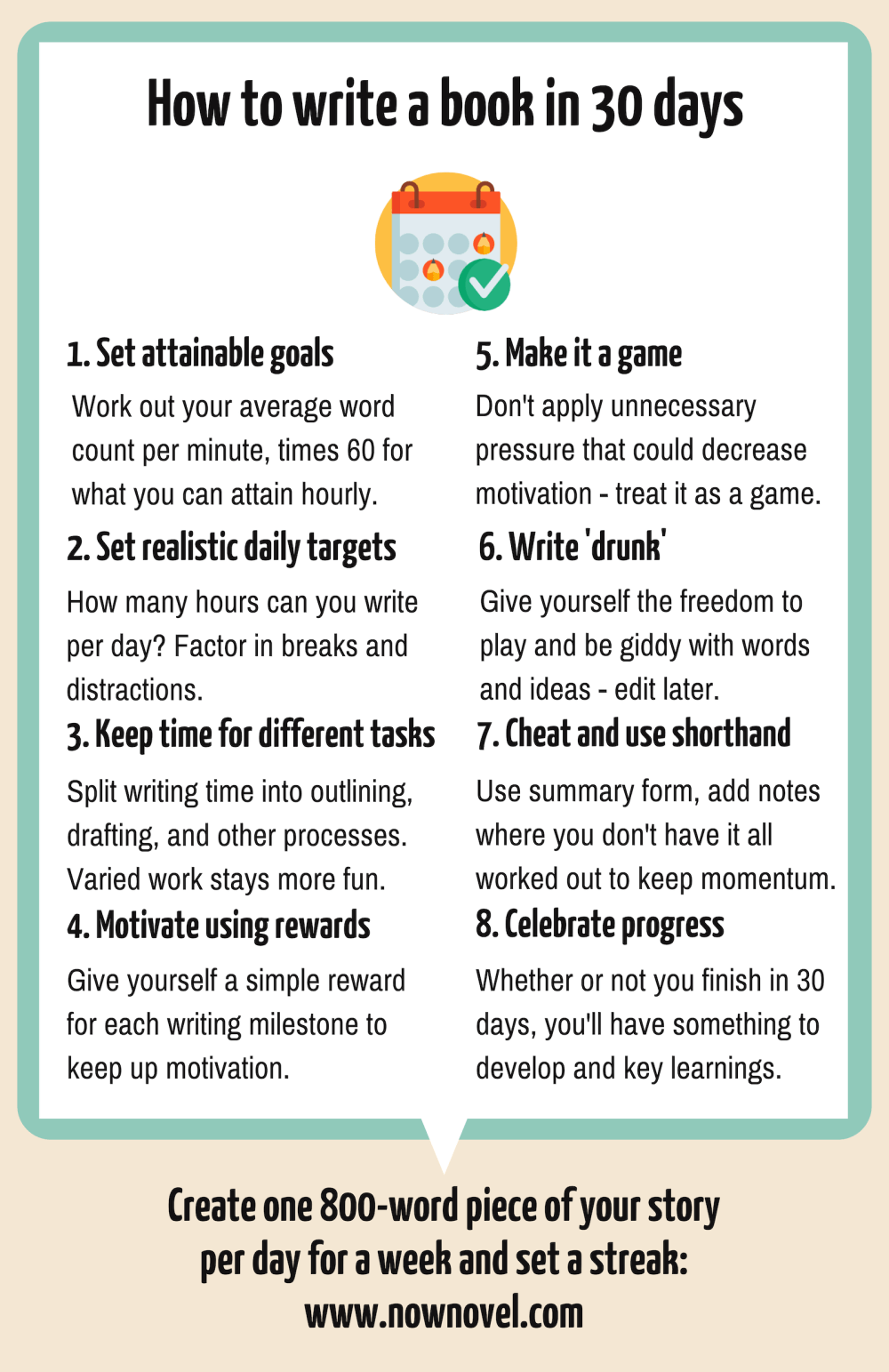
How to write a book in 30 days: 8 key tips

Annual writing sprints like NaNoWriMo have many experienced and new authors alike testing their limits. Writing a book – a carefully, beautifully constructed book – does take time. Usually, much longer than 30 days. Yet trying this exercise is useful for building discipline, focus and just getting the first draft done. Here are 8 tips to help:

1: Set attainable goals

When someone asks ‘how do I write a book in x days?’ Writers’ reactions are sometimes discouraging. ‘Never write a book with a deadline as small as 30 days!’ Says one Quora user. Reasons you shouldn’t attempt to write a book in such a small time-frame include:

  • Being limited by time constraints could result in low quality writing
  • Producing a first draft may be possible within 30 days but you also need time to revise and edit
  • Burnout is possible if you don’t take sufficient breaks

These are all valid concerns. To work out it you can finish your novel in 30 days:

    1. Calculate how many words you write per minute: Use a free words-per-minute checker such as Typing Speed Test.
    2. Keeping in mind that you will also need to pause from time to time to think what happens next, halve your word count per minute. If you can type as fast as 60 wpm, take 30 as your base rate.
    3. Work out how many words you write per hour: If you can write 30 per minute, you can write approximately 1800 words per hour (assuming you don’t stop to edit or rest). Factor in resting time for a more conservative estimate (e.g. 1000 words).
    4. Work out how many hours you will have to write each day on average over the next 30. If you write 1000 words of draft per hour on a good day, an 80, 000 word novel should take 80 hours of writing to complete.
    5. Eighty hours of writing over 30 days would mean spending an average of 2.6 hours of writing per day. This is a lot when you have other commitments.
    6. Based on the amount of time you have available to write each day, adjust the length of your first draft until you have a word count you can achieve. You can always expand during subsequent drafts. Or write your first draft as a brief, novella version.

If this seems like an impossible task, give yourself more days. Or write some scenes in summary form. You can add connective tissue between plot events (such as scene transitions) later.

2: Set a realistic daily word count target

You might say to yourself ‘I can write for an hour each day, easily.’ The truth is that surprises, last minute obligations and life in general can hijack your writing time. For every hour of free time you have, bank on getting half an hour of that to write.

Start thinking about how you can make your word target attainable:

  • Cut down time taken up by other tasks: Make simpler, quicker meals, for example, and watch less TV – it’s only a temporary sacrifice)
  • Ask for help: Rally friends and family who are willing to help you chase your goal (for example, grandparents willing to babysit if you’re juggling telling your story with parenting)

Once you know exactly which hours you have free, block them out in a calendar. Use a colour that separates them clearly from other events and obligations. Draw an ‘X’ through each day once you’ve reached your word target. The satisfaction of this action (the sense of completion) will keep you motivated to continue.

3: Reserve time for each part of the writing process

The different parts of writing a novel require different types of problem-solving. Sketching characters, for example, is more imagination-dependent, while editing is a somewhat more rational (though still creative) process. [You can create full character profiles in preparation using the step-by-step prompts in Now Novel’s story dashboard.]

When seeing if you can learn how to write a book in 30 days, being structured is key. Divide each writing session into different tasks. Complete different sections of outlining or drafting simultaneously. This keeps the process varied and diminishes chances of getting stuck.

If, for example, you prefer writing dialogue to introducing scenes and settings, leave your favourite part of the storytelling process for the end of each session. This makes your favourite part a reward that you work towards every time you sit down to write.

Writing a book in 30 days - Infographic | Now Novel

4: Maintain a motivating reward scheme

Create a reward scheme for yourself to keep yourself motivated. Big gyms and insurance policies take this approach to keeping members active. Because they understand motivation, how reward-driven we are. Maximize your commitment to your story (and your word count targets) by:

  • Scheduling short breaks as micro rewards for reaching small targets such as completing scenes
  • Scheduling greater ‘bonus’ rewards for milestone achievements such as completing chapters

Rewards don’t have to be expensive, overly indulgent or distracting. Take a walk somewhere inspiring or beautiful, read a few pages from a favourite book or grab a coffee with a close friend. Make your rewards relaxing activities that will help you return to the track renewed and focused.

One crucial piece of advice on how to write a book in 30 days:

5: Make it a game to avoid unnecessary pressure

If you’ve ever watched competitive reality TV, you might have seen cases where the most competitive and committed participant cracked early under pressure. Placing too much pressure on yourself is a fast track to burnout.

Instead, treat writing a book in 30 days as an impossible goal that you’ll see whether you can reach, playfully. It’s crucial that this time is fun and varied. Some ways to make it a game:

  • Enlist a friend to join in the challenge: You can have your own NaNoWriMo any time of year
  • Create engaging prompts for yourself: Instead of saying ‘In this scene, the villain will discover a secret that sets him back’, tell yourself ‘Imagine a villain has just been informed of a development that ruins his plans. What does he discover? How does he react? Write 500 words’
  • Find an inspiring picture via Google images that captures the mood or tone you want a scene to create: Let images (or music) inspire you as you write

Try to write as freely as possible to maximize your speed:

Quote on writing - EB White | Now Novel

 6: How to write a book in 30 days: ‘Write drunk’

The quote ‘Write drunk; edit sober’ is often attributed to Ernest Hemingway, though it’s not clear whether Hemingway actually said this. Regardless of who said it, the quote does say something true about writing. It’s not that you should write drunk literally. But you should give yourself the freedom to write with that same uncontrolled giddiness. Before you get to editing.

A big part of how to write a novel in 30 days is letting go of complete control. Let the sober editor in you control when the time comes for that. The writing part should involve as little critical interference as possible, if you want to draft fast.

Some ways to ‘write drunk’:

  1. Make the font colour of your word processor match the background. Only highlight and change the font colour back when you reach your target word count. This will prevent you from focusing too much on what you’ve just said as you can’t edit until you reach a point of pause.
  2. Give yourself licence to be bad. Write terribly. Use clichés at every turn. Do this with the understanding that once you have the full draft and you’ve met your targets, you can go through and fix whatever you like.
  3. Leap in anywhere: Just because your novel tells a linear story doesn’t mean you have to be linear in your approach. If you’ve written the start of a scene, skip to the ending if you have an idea where it will go. Put in simple notes for whatever you’ll add later.

On the subject of speeding up, use shorthand in places to keep up your momentum:

7: Cheat and use shorthand

If you’re trying to write a novel in 30 days, you’ll likely only have time to fill in essential details of character, setting and the most important events of a scene. To keep going at all costs:

  • Fill in names of characters, places and other nouns with generic words and agonize over the right choice later (e.g. ‘[Character Y: Add character name meaning stubborn/headstrong here]’)
  • Reduce connecting sequences to basic elements. Instead of describing in detail how the party escapes the collapsing building, write ‘[Party manages to escape collapsing building; minus characters X and Y’]
  • Keep filling in these blanks for moments when you are tired and you need a quick, small win

8: Remember that progress never counts as failure

What people don’t always tell you when you ask how to write a novel in 30 days is that the most important part of this challenge is committing to it and trying.

Determination and dedication will help you make progress. If, by the end of the 30 days, you don’t have a continuous, polished first draft, congratulate yourself for the progress you have made. You have a sturdy skeleton for a book you can turn into a better read.

If you’re doing NaNoWriMo or simply trying to get through your draft, try to write an 800 word extract every day for a week in the note-keeping section on Now Novel. That’s 5600 words further if you succeed.

Source: nownovel.com

Visit us at First Edition Design Publishing
Inspiration for Writers: Hunt It Down!

Not many writers lounge in an ivy-covered tower pouring out inspired words – that’s unrealistic. Many successful writers still keep a day job, most out of necessity, some out of choice. How inspired would you feel if you sat in an ivy-covered tower all day? Seasoned writers say that, since few books make much money, the key to earning a living as a writer is to write a lot of books. Not to wait for inspiration.

A real-world example: professional songwriters don’t sit on a large rock with their lute or flute, watching the sheep and waiting for inspiration. Songwriting is a joy, true, but for them, it’s also a job. Every major music publisher pays a team of contracted staff writers. Particularly in Nashville, country songwriters get a monthly salary to come to the office every day (to a literal office) and write their quota of songs.

Legendary songwriter Carole King described that sort of life, which she experienced in New York’s ‘Brill Building’ in the 1960s:

“Every day we squeezed into our respective cubby holes with just enough room for a piano, a bench, and maybe a chair for the lyricist if you were lucky. You’d sit there and write and you could hear someone in the next cubbyhole composing a song exactly like yours.”

When inspiration flees

What if a staff songwriter doesn’t feel like writing? What if they feel like not writing? What do they do when circumstances conspire against inspiration?

That’s what happened to Albert Askew Beach (1924-1997). As I remember the story from Reader’s Digest Treasury of Beloved Songs, one night Mr. Beach was sitting at his piano trying to come up with new English lyrics for Charles Trenet’s song “Que reste-t-il de nos amours?” about the end of a love affair

Unfortunately, next door a love affair really was ending, judging from the noises coming from the neighboring apartment, as the soon-to-be-former couple angrily and loudly pronounced curses upon each other. In the 1950s, angry, loud love songs were not yet a thing and Beach wasn’t making much progress on his lyrics. (The angry neighbors probably didn’t much appreciate the romantic piano accompaniment either.)

Then Beach had an bright idea, out of necessity, his publisher’s quota, and his need for grocery money. What if he turned every curse he heard into a blessing? So when the neighbors shouted at each other, “Leave! I don’t care. I hope you freeze to death!” Beach wrote,

I wish you shelter from the storm
A cozy fire to keep you warm

The resulting song, known as “I Wish You Love,” became a standard, a classic in its day.

Inspiration by twisting

If you need to turn an overworked idea into something fresh, like Albert Askew Beach, try twisting it and reversing it. For example, all romantic comedies have the same basic plot: ‘Boy meets girl; boy loses girl; boy gets girl.’ But what if the boy never manages to meet the girl? What if he tries to lose her but can’t? What if she is not a girl but a ghost? (“Your wife’s family lives in the old mansion on the hill? Why, that’s impossible. Nobody has lived there for a hundred years…”)

J.K. Rowling turned a twist into a hit. By the 1990s it was hard to imagine what could happen in a British boarding school that hadn’t already happened in the hundreds of novels set in one. Then she asked herself, “Okay, what if I set my novel in a British boarding school for wizards?” Try it: it might sell. (Spoiler: it did sell – 400 million copies including sequels – it was called Harry Potter and the Philosopher’s Stone, but now that fresh idea has been taken so you need to come up with your own.)

Adding a twist lets you borrow inspiration without stealing it or plagiarizing. Neal Gaiman didn’t say, “Let’s pretend I’m Rudyard Kipling and rewrite The Jungle Book.” Instead, he wrote The Graveyard Book, adding a twist to the same 1894 premise (ghosts instead of animals), and won the Newbery Medal, the Carnegie Medal, the Hugo Award, and the Locus Award.

Inspiration through diversifying

James A. Michener became a successful novelist only later in life – he published his first book at age 40. He didn’t ascribe his success to any careful plan, but to a wide variety of seemingly random experiences, saying, “I have worked all my life, never very seriously and never with any long-term purpose.” While still in his teens, he hitchhiked and hopped freight trains from Canada almost to Florida (45 states), and eventually visited nearly every country in the world. (A change of scenery often brings inspiration, but no, you don’t need to visit every country in the world.) In his early life, Michener was a chestnut vendor, a private detective in an amusement park, a night watchman in a hotel, a graduate student in Scotland, a high school English teacher, a social studies editor, and a naval historian in the South Pacific. He won a Pulitzer Prize for writing South Pacific.

Dr. Seuss, aka Theodor Seuss Geisel, was first known as the creator of the line “Quick, Henry, the Flit!” then as the writer and illustrator of children’s books such as The Cat in the Hat. He was less known for the hundreds of hats he collected over 60 years, everything from an Italian colonel’s hat to a plastic Viking helmet. Whenever he needed a fresh perspective, he could put on a hat. The hat collection itself probably inspired his book The 500 Hats of Bartholomew Cubbins.

Even small changes can give you inspiration. You can find inspiration tools online that suggest and combine words in new ways, even offering first lines, writing prompts, and story starters.

By Michael
Source: dailywritingtips.com

Visit us at First Edition Design Publishing
Publishing Trends: Tropes Readers Adore Across 15 Fiction Genres

Whether you’re looking to write to market or are scouring manuscript submissions for your next acquisition, knowing what tropes appeal to readers can help inform your decision. We see different trends in different categories. And studying these trends, especially those that have been selling well recently, will help you learn what content can best engage your audience.

To help you get a sense of what’s currently engaging BookBub members, we’re showcasing two trending tropes across each of 15 different categories, along with examples of books that performed well for each trope. These trends and examples are based on our internal engagement data from the past few months as well as our editors’ research. Note that our readers’ tastes change over time, and these are the tropes that are currently trending!

Special thanks to BookBub’s editors for contributing their expertise and trope summaries below!

Crime Fiction Trends

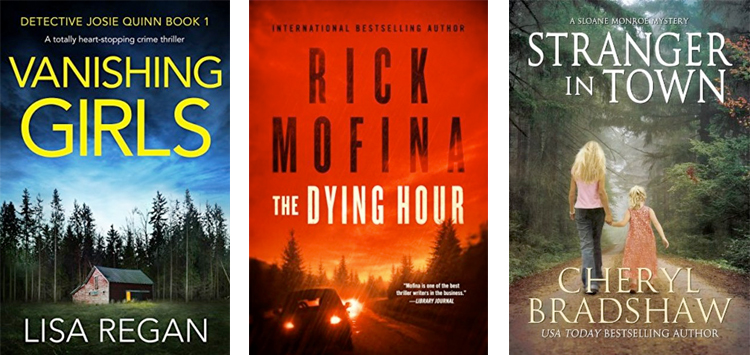
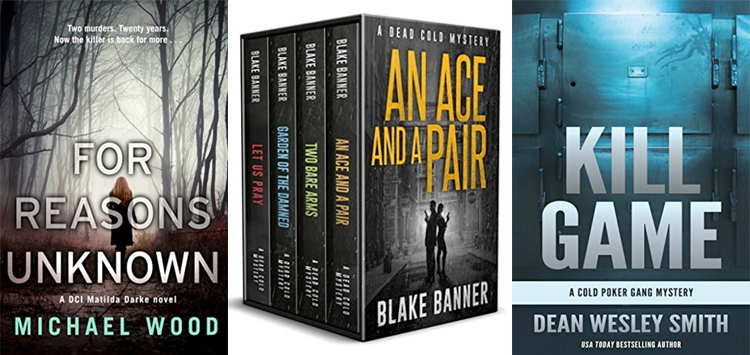
Missing persons

When a person vanishes, they leave dozens of questions in their wake: not just how and why the incident occurred, but sometimes even whether the disappearance was a crime at all. And our readers are loving a good twist right now!

Crime Fiction Trends - Missing Persons

Cold cases

Our puzzle-loving readers enjoy books that reopen a cold case — a crime that’s lain dormant for years, sometimes decades — from a fresh angle, where someone finally finds the tools needed to crack it.

Crime Fiction - Cold Cases

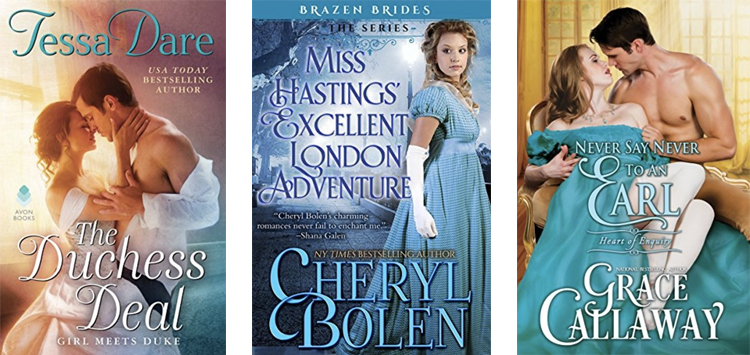
Historical Romance Trends

Marriages of convenience

In historical romances, readers love when heroines must wed the hero for reasons beyond their control, or marry for anything but love — only to find themselves falling head over heels!

Historical Romance - Marriages of Convenience

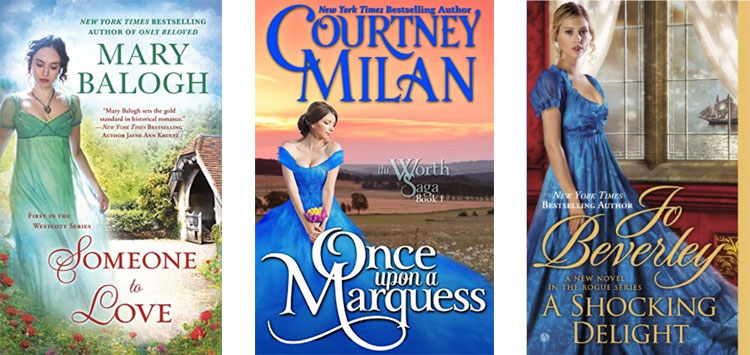
Heroes with titles

Dukes might have been few and far between in actual 19th century England, but in historical romance they’re thick on the ground, and our readers have been loving them as heroes lately — along with earls and marquesses.

Historical Romance - Heroes with Titles

Middle Grade Trends

Fantasy

There’s nothing better than magic with a good dose of whimsy. Middle Grade fantasy often strikes a great balance between the quintessential magical elements our readers love and an inviting tone that appeals to all ages.

Middle Grade Trends - Fantasy

Mystery

Drawing from classic series like Nancy Drew and The Boxcar Children, contemporary middle grade mysteries combine sleuthing with charm for low-stakes puzzles that are fun, exciting, and stress-free.

Middle Grade Trends - Mystery

Teen & YA Trends

Contemporary about real world issues

We’ve seen our YA readers turning to books about real-world issues recently, like abuse, suicide, and mental illness, as they explore tough topics through emotional reads.

Teen & YA Trends - Contemporary about real world issues

Fairy tale retellings

There’s nothing more satisfying than a new twist on an old favorite. Fairy tale retellings deliver a wonderful mix of familiarity and surprise as they approach the classic happily ever after from a different angle.

Teen & YA Trends - Fairy tale retellings

Literary Fiction Trends

Small towns

Literary fiction often helps us reflect on how we as individuals belong in a community. Small towns — where everyone’s business is inescapable — are the perfect settings for exploring the divides between personal ambition, duty, and home.

Literary Fiction Trends - Small Towns

Family sagas

The best literary fiction also helps us understand our relationships with those closest to us. Family sagas allow us to see how characters’ most intimate ties change over time, often underlining the sentiment that you can never truly go home again.

Literary Fiction Trends - Family Sagas

Science Fiction Trends

Box sets

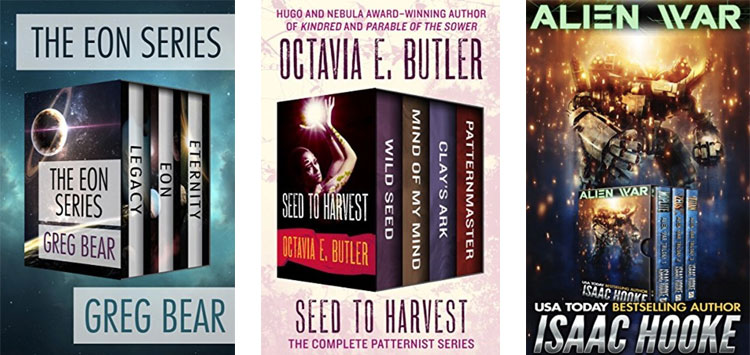
Science fiction stories span galaxies and centuries — and more often than not, several volumes in a series. Our sci-fi readers love good deals that let them visit and stay awhile in worlds beyond our own.

Science Fiction Trends - Box Sets

Artificial intelligence

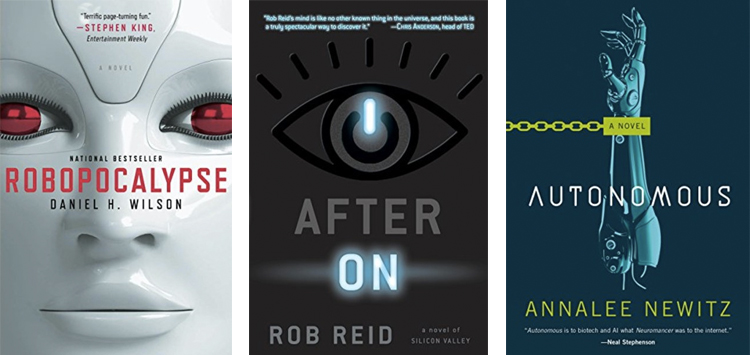
Great science fiction paints a picture of the future that shines a light on the present. Artificial intelligence has been a particularly strong frame for exploring current questions of consciousness, labor, and identity.

Science Fiction Trends - Artificial intelligence

Fantasy Trends

Epic fantasy

Our epic fantasy readers like to be swept up in vivid secondary worlds and love tales with high stakes, magic, and intrigue.

Fantasy Trends - Epic Fantasy

Fairy tale retellings

Fairy tale retellings breathe new life into classic fairy tales and myths, offering either lush reweavings of established storylines or new takes on familiar tropes.

Fantasy Trends - Fairy tale retellings

Paranormal Romance Trends

Sci-fi content

Our paranormal romance readers enjoy sci-fi romance tropes, particularly a steamier plot featuring a sexy, alpha alien looking for a human mate.

Paranormal Romance Trends - Sci-Fi

Fated mates

In the supernatural world, sometimes destiny delivers one’s soulmate, igniting an unfathomable, intense connection. Fated mates is one of our paranormal romance readers’ favorite tropes right now.

Paranormal Romance Trends - Fated Mates

Erotic Romance Trends

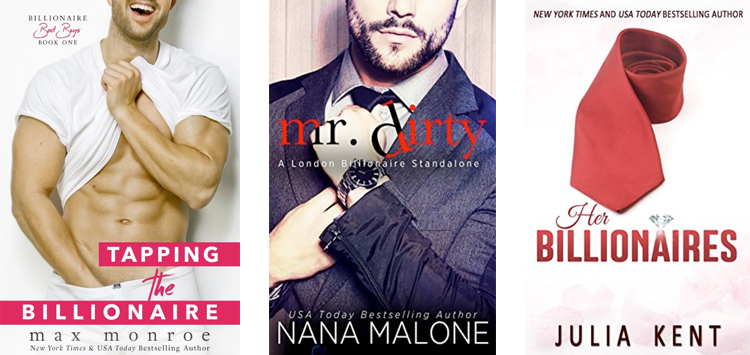
Billionaires

Sure, you’re probably thinking about Christian Grey from Fifty Shades, but he’s not the only brooding billionaire out there. What woman doesn’t want a wealthy man who can offer her everything her heart desires?

Erotic Romance Trends - Billionaires

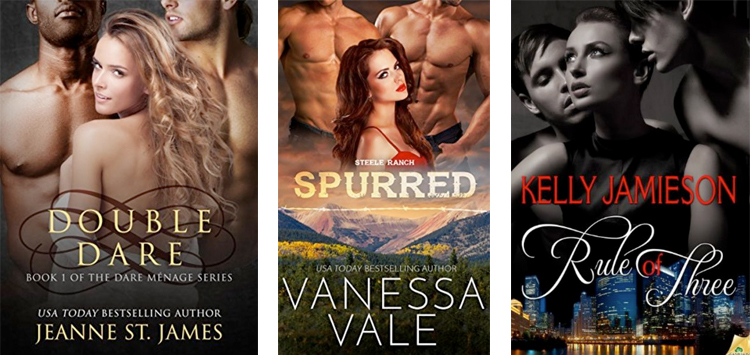
Ménage

Right now our erotic romance readers are loving ménage romance and all the tension and pleasure that comes from adding another person in the bedroom.

Erotic Romance Trends - Ménage

Action & Adventure Trends

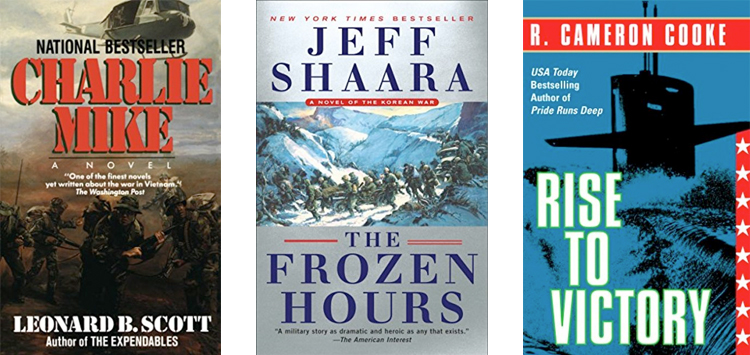
Military fiction

In military fiction, protagonists will likely have a degree of experience in the combat and survival departments, so the book’s action sequences will reflect that expertise.

Action & Adventure Trends - Military fiction

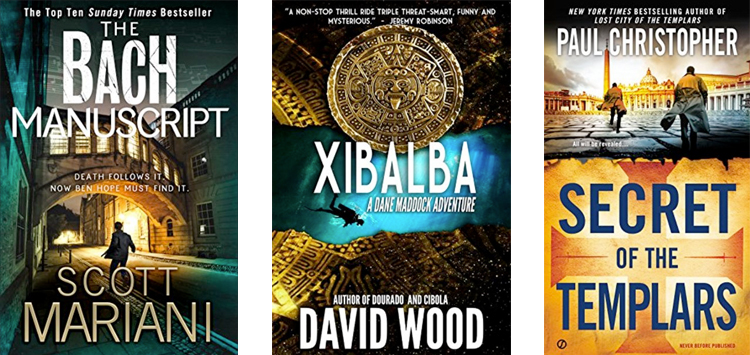
Ancient secrets, codes, and hidden treasure

Given the gargantuan popularity of stories like National Treasure and The Da Vinci Code, it’s no surprise that our action and adventure readers are big fans of books featuring historical clues, hidden treasures, and puzzle elements.

Action & Adventure Trends - Ancient secrets, codes, and hidden treasure

Cozy Mysteries Trends

English village mysteries

Our US readers like to visit the pastoral countryside with English village mysteries — think cozy town centers and witty suspects who are questioned over afternoon tea. The inciting murder typically happens off the page and the amateur sleuth is able to tie things up neatly in the end.

Cozy Mysteries Trends - English village mysteries

Bookish mysteries

Bookish cozy mysteries have amateur sleuths with one foot in the world of books — often as bookstore owners, book club members, librarians, or authors — and evoke the charm of a reading ritual or the thrill of researching through dusty tomes.

Cozy Mysteries Trends - Bookish mysteries

LGBT Trends

Queer literary fiction

Queer literary fiction is often bittersweet, with plots involving difficult choices and self-reflection. It captures parts of the queer experience not always covered in romance or other genre fiction.

LGBT Trends - Queer literary fiction

Suspense

In our LGBT category, mystery and thriller plots are popular when they provide a backdrop for a relationship — the central action or investigation creates tension, forcing characters into close quarters and bringing attraction sizzling to the surface.

LGBT Trends - Suspense

Chick Lit Trends

Opposites attract & enemies-to-lovers

An unlikely couple slowly realizing they’re perfect for one another is a tale as old as time. This classic plotline is a perfect fit for those who want a taste of will-they-won’t-they tension.

Chick Lit Trends - Opposites attract & enemies-to-lovers

Food

Whether they’re set in bakeries or centered around an aspiring chef, books brimming with food conjure up warmth and coziness — and are sure to satisfy every appetite.

Chick lit trends - food

Historical Fiction Trends

World War II

The horror, drama, and emotion of World War II have been depicted in countless bestselling books, and it’s no surprise that the time period continues to enthrall BookBub readers.

Historical Fiction Trends - WWII

Early America

Looking at recent performances, we can see that BookBub readers love novels set in early America, which often illuminate the dangerous lure of the unknown, the desire for independence, and the promise of a fresh start.

Historical Fiction Trends - Early America

Thrillers Trends

Memory lapses

Lapses in memory bring an added layer of uncertainty to thrillers, forcing us to question whether we can trust the person at the center of the story (or how much they can trust themselves).

Thriller Trends - Memory Lapses

Children in peril

Thrillers featuring a child in peril have heightened stakes — the helplessness of the victim means greater urgency to defeat whatever’s threatening them. This is a popular trope across many thriller subgenres, from legal thrillers to psychological suspense!

Thriller Trends - Children in Peril

What category trends do you want us to talk about next? Let us know what you think in the comments below!

Source: bookbub.com

Visit us at First Edition Design Publishing

Writing Scary Stories & Horror for Kids: 4 Lessons from Goosebumps Author R.L. Stine

There is a fine line between scary and funny when it comes to clowns, ventriloquist dummies and other creepy ghouls, but author R.L. Stine heads straight for the dark side. For more than 25 years, Stine has been writing horror for kids around the world with his Goosebumps series, which has sold over 350 million copies in 32 languages.

From the age of nine, Stine knew he wanted to be a writer. Initially, he dreamed of writing humor—not horror—on the old typewriter he found in his attic. While attending Ohio State, he became editor for a humor magazine at the college for three years. When he moved to New York, he fulfilled his dream to write full-time by writing fake celebrity interviews for a fan magazine where he learned to write fast and use his imagination. Soon after he landed a job at Scholastic where he shifted gears to write for younger audiences. For sixteen years he worked as the editor for the kids’ humor magazine, Bananas.


Stine’s big genre change happened when a friend of his at Scholastic asked him if he ever thought about writing horror for young adults. He hadn’t. She suggested he write a book for this audience with the title Blind Date. Four months later, the book became a bestseller. More books followed, along with a new series, Fear Street. He found some success with this audience, but when it was suggested that he write horror for kids—younger kids, ages 7-12—Goosebumps was born.

The first few books in the series were published without much hype or marketing power behind them. Sales remained flat for 3–4 months before word of mouth kicked in. Stine called it the secret kids’ network. Kids started talking about the books with their friends, sales shot up, and the rest is history. He continues to write and publish for this series, putting out new books each year.

Here are some quotes from Stine along with thoughts and insights in writing horror for young readers as well as writing in general.

“When I write, I try to think back to what I was afraid of or what was scary to me and try to put those feelings into books.” 

Stine grew up a fearful child. He draws on his memories of what scared him to create the stories for Goosebumps. Think back to your childhood. What scared you? Dig deep into the depths of your imagination to find those moments and remember the emotions and feelings associated with those situations and bring them into your writing. 

“My thinking is that these books are entertainment. I’m very careful to keep reality out of it. The real world is much scarier than these books. So, I don’t do divorce, even. I don’t do drugs. I don’t do child abuse. I don’t do all the really serious things that would interfere with the entertainment.”

Adults and kids read horror books for the adrenaline and emotional rush that comes from being scared. When writing for young readers, Stine’s one rule is that it can’t be too realistic. It’s important to him that his readers know his stories are fantasy and can’t really happen. If you are writing scary stories for children, spend time in your creative mind and develop situations and storylines where you take your reader to dark and frightening places, but nothing too close home. Because as Stine says, real life is scary enough. 

“It’s my job, too, to keep up with pop culture and what the kids are into because I don’t want to sound like an old man trying to write for kids. I spend a lot of my time spying on them.” 

Successful children’s authors understand that their young readers are smart. Kids want to read books where the author understands their world and the issues they face. Technology and social media along make life for young people today very different than it was for previous generations. As a writer it is up to you to keep up with current culture and write stories that resonate and connect with kids today. 

“If you do enough planning before you start to write, there’s no way you can have writer’s block.”

Stine is a prolific writer with hundreds of published books. He has a system that works for him and allows him to put out 4 to 6 new books each year. He is a plotter who creates a complete chapter-by-chapter outline of each book. When it comes time to write the book, he’s already done the important thinking and knows everything that is going to happen. This allows him to relax and enjoy the writing. As writers, we all have our own styles and systems and approaches to the writing process. To be successful and achieve the goals you have set out for yourself, it is essential that you find what works for you. If you consistently miss the mark or your productivity is not what you want it to be, then you should examine how you approach your writing life. Maybe it is time to switch from being a “Panster” to being more of a planner like Stine.

By Kerrie Flanagan
Source: writersdigest.com

Visit us at First Edition Design Publishing
Creative Writing Courses. Would You, Should You, Could You?

Hanif Kureishi famously dismissed the teaching of writing, saying that writing a story is:

‘a difficult thing to do and it’s a great skill to have. Can you teach that? I don’t think you can.’

(According to Philip Hensher, Kureishi teaches creative writing at Kingston University, ‘ineffectually‘)

We all learn to write. If you’re serious about something, generally you will want to learn how to do it well. I wonder why some writersfeel they need to look down on aspiring writers once they have been published and claim writing is some ‘mystical gift’. It’s not; it’s a skilled craft. It’s one you need to keep learning; you never reach a golden plateau.

Serious writers have always sought and will always seek teachers long before their work gets to an editor’s desk.

In defence of teaching creative writing, Kurt Vonnegut said:

‘A tough guy, I forget which one, is asked to speak to a creative writing class. He says: “What in hell are you doing here? Go home and glue your butts to a chair, and write and write until your heads fall off!” Or words to that effect.

‘My reply: “Listen, there were creative writing teachers long before there were creative writing courses, and they were called, and continue to be called, editors.”’

Ernest Hemingway apprenticed himself to Gertrude Stein; T.S. Eliot to Ezra Pound. Tennessee Williams and Flannery O’Connor took courses at the University of Iowa.  an McEwan, Kazuo Ishiguro, Anne Enright, Tracy Chevalier took classes at UEA. Kit de Waal studied creative writing at Oxford Brookes. The list is long. Few are the published authors of fiction who didn’t learn their craft.

A writing school formalizes the apprenticeship that, throughout history, has been valuable to artists. But digital technology and the internet means the school can come to the student, extending good schools to those who can’t up-sticks, quit jobs or travel long distances.

Of course, one of the perks of a school is association not just with students but with published writers, and usually, that’s what’s missing on a creative writing course. Ideally, you will want to find a course, or a school, where you can rub shoulders with published authors and of course get personal feedback from a writer whose work you like.

Most writers would prefer to be writing than doing anything else, but many good writers teach. They wouldn’t do so if it wasn’t exciting to watch writers become authors, to learn the skills and craft.

Grace Paley says she likes the company of her students; she says it mitigates against the solitude of writing. But there’s more to it than that.

‘The really good thing about dealing with novice writers is that it keeps you in the mind of a beginner. It is a way of staying honest and preventing complacency and hardness from setting in.’ EL Doctorow.

Wallace Stegner taught Larry McMurtry and Ken Kesey to write. Michael Cunningham teaches, as do Zadie Smith, Salman Rushdie, Tobias Wolff, Toni Morrisson, Jonathan Safran Froer, Maya Angelou, Junot Diaz, EL Doctorow.

If I could have chosen any writer as a teacher, it would have been Kurt Vonnegut. ‘Start as close to the end as possible’. ‘Be a sadist. No matter how sweet and innocent your leading characters, make awful things happen to them — in order that the reader may see what they are made of.’ ‘Give the reader at least one character he or she can root for.’

Writers write and teach, and not for entirely altruistic purposes but because as EL Doctorow says; it helps. It helps you, as a novelist, see better sometimes what doesn’t work, and what does.

It’s a symbiotic relationship between teacher and student and although JM Coetzee used this phrase to describe a more illicit relationship between teacher and student, this is a quotation with which my writers are familiar as I have made the observation a few times when working with them:

‘The irony does not escape him: that the one who comes to teach learns the keenest of lessons…’ JM Coetzee, Disgrace.

At The Novelry, I am not the only ‘teacher’. Within the community, our writers, some aspiring and some published, teach each other, and that makes it hugely enjoyable.

‘The very best thing you can be in life is a teacher, provided you are crazy in love with what you teach… .’ Kurt Vonnegut.

In Fay Weldon’s recent book of advice to would-be novelists, she pointed out in the first pages that writers need to up their game, as so many are benefiting from creative writing courses. (She, herself, teaches.)

Vonnegut said he wished he had attended a good creative writing course at the beginning of his writing career.

‘To have done so would have been good for me.’

He quoted an author who regretted not having taken a course when he was starting out as a novelist.

‘That would have saved him, he said, the several years he wasted trying to find out, all by himself, the best way to tell a story.’

What should you be looking for in a novel writing course?

You should be looking for a serious course with a community where publication is the acknowledge end-game to ensure you learn good habits and working skills. You should be looking for a real-life working method because it is necessary for all writers, not just those starting out, to keep a backstop day-job to enable you to be free to write what you want. An online writing course, created to offer what school’s offer – a good tutor, the company of working authors – can be just the thing if it gives you personal feedback and attention. You can associate with your peers and ideally better writers, on your own terms in your own time, and that’s my idea of heaven. Solitude, when you have time to write, and support round the clock.

But the clincher, the deciding factor, has to be wit.

Look for a course with nerve. Where determination is matched by good humour.

The Founder of the Writers’ Workshop in Iowa, Paul Engle, told Vonnegut that if they ever got a building, he’d have this motto above the door.

‘Don’t take it all so seriously.’

Enjoy your writing. Learn to enjoy laughing at your own jokes; for that’s what it’s about, day-in, day-out. Good times and bad. When you write, the bad times are at least ‘material.’


Look to tick these boxes:

 Award-winning published novelist author tutor
 One-to-one classes with the tutor
All materials online
 Personal support
 Writing group support
 Published novelists in group
 Writers online forum
 Events
 Retreats
 Submissions planning
Links with literary agents and publishers
☑ Published students
☑ Enrol anytime

How do the online creative writing courses compare?

Source: thenovelry.com

Visit us at First Edition Design Publishing

All the King’s Editors—Jim Dempsey

Jim’s post is part of the “All the King’s Editorsseries, where an editor from the Writer Unboxed contributor team edits manuscript pages submitted by a member of the WU community.

Each participating editor approaches a submission in a unique way, and speaks only for him or herself.

Remember, editing is as much art as science, and your take on the passage may differ. If so, feel free to join in the discussion at the end, but above all, be kind.

If you’re interested in submitting a sample for consideration, click HERE for instructions.


This is a short piece, and doesn’t need much of an introduction since it’s a prologue.

A prologue should give a sense of the story and hook the readers. As an editor, I have to ask if the prologue achieves at least one of those goals. As a reader, I ask: why start the story here and not with chapter one? In other words: do we really need the prologue? Let’s see …

[1] I took my life today. [2]

It was not an easy decision to make. There were numberless countless pros and cons that I had to consider. There always are when it comes to suicide. In my case, the pros outweighed the cons for the simple reason of being unable to because I couldn’t take living anymore. I couldn’t take hearing about all the reasons why we need to live in the moment or why we should cherish life while we can. People might talk a good game, but they don’t mean one word of that the bullshit that comes out of their mouths. [3]

The cold, hard truth is: the powers that be don’t like having blood on their hands. So they package little white lies inside easy-to-remember slogans to make us feel good about ourselves and make them feel content in believing their hands are clean. We end up feeling so good that we don’t recognize the deception taking place nor do we call them out on it. Instead, we turn the other cheek when tragedy strikes, and we go about our lives, taking solace in the fact that we had nothing to do with what had transpired. [4]

I am no stranger to this behavior. I am well acquainted with it and have been for as long as I can remember.

Even then [5], as When I stood [6] in the darkness of my room, I thought about all the people who’d flitted in and out of my life. The self-absorbed monsters that took advantage of me for as long as they liked and cast me aside when they grew tired. If only they knew the pain they’d inflicted was nothing compared to then would pale in comparison to what was taking had taken place above their heads them. [7]

At that point, I’d say the only thing on their minds was the free beer they‘ve been were consuming. The fact that it was after ten on a school night didn’t stop the beautiful creatures from senior class coming out to play. If it’s a weekend and you’re alone with large quantities of liquor, you can bet on half the senior class showing up and taking over your house for as long as they want. Either that or for as long as your neighbors can stand listening to them act like the total idiots they are. [8]

I can’t help but think about what will go through their minds after they find my body. Will the sight of death force their eyes wide open? Will the burden of guilt prompt them to admit their misdeeds? Will they feel anything at all? Whether they do or don’t, it doesn’t matter. They’re better off without me depriving them of their so-called happiness.

I wish I could have said the same about the people who used to stare at me from the framed picture on my nightstand. They were, by all appearances, a family of four enjoying a summer day at Carolina Beach, hoping to look back with fondness on a moment forever frozen in time. They had no way of knowing a medical diagnosis would turn their perfect world upside down. They thought it would never happen to people like them.

Then some smug little shit who didn’t know the first thing about medicine took what they never dreamed of hearing, and summed it up in one sentence: “It appears Nathan has a pervasive developmental disorder.” [9] – and caused tTheir lives came to come crashing down around them. From then on, everyone blamed Nathan for the events that followed that little announcement. I don’t blame them for thinking he ruined everything. It’s what I do.
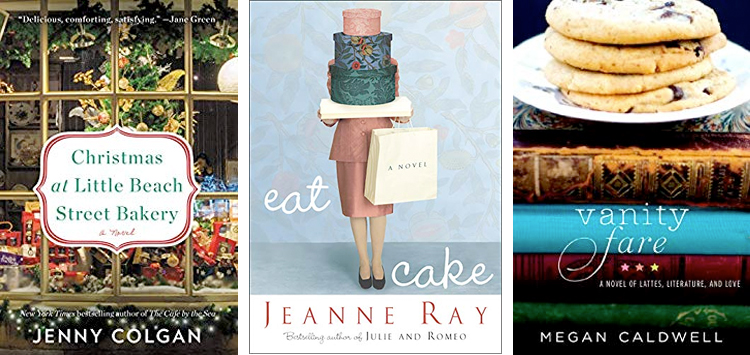
No, that’s wrong. It’s not what I do. It’s what I used to do. For some reason, I keep forgetting I’m dead. It must be the shock. [10]

NOTES

  1. The text was originally in italics, but I changed that. No need for another font in a prologue. The prologue should be similar in look and style to the rest of the novel.
  2. Excellent first line, and leaving it as a paragraph on its own adds more impact. It will be very difficult for readers not to move on to the next line.
  3. For me, this paragraph was a little too long for two reasons: i) it’s better to keep the opening flowing, especially after the precision of that first line, and ii) this didn’t sound like the voice of a young person, and the approximate age of the narrator in this case should be clear quickly (so we realize this is a young person who has taken his life). It can be tricky for an editor to tinker with first-person voice, as it’s like dialogue and the characters should be able to have their unique ways to talking, but the narration became more succinct later and, after I’d read the whole piece, the tone in this paragraph seemed out of place when I read it back again.
  4. I think we could lose these two paragraphs and keep the prologue focused on Nathan, on his specific feelings (more on that later). The mention of the powers that be and so on are too general, too broad, and makes him sound paranoid, so I would only keep this in if that paranoia is a big part of the story.
  5. It’s not clear when this “then” refers to. It could be back as long as the narrator can remember. A new paragraph helps to separate these two thoughts, and changing “even then as I stood” to “When I stood” makes that moment clearer.
  6. For a while, I thought about the verb “stood” here. I wondered if someone in this position would just stand there in the darkness of the room. Wouldn’t you sit? Lie on your bed? And then I thought: standing there would be pretty odd, weird even. But we’re not dealing with someone who cares about that, and I think imagining someone standing in the middle of a dark room doing nothing but thinking paints the perfect picture for this situation. It’s not a “normal” situation. It’s odd. It’s weird. That’s what’s so intriguing about this opening. And “stood” is perfect here.
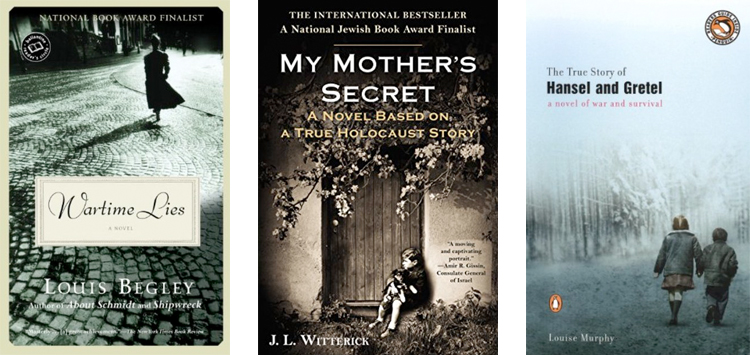
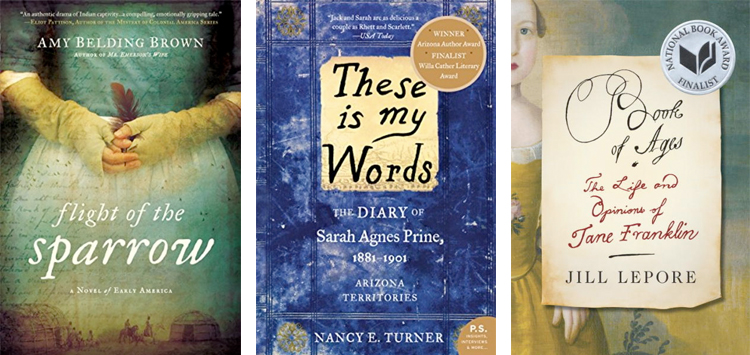
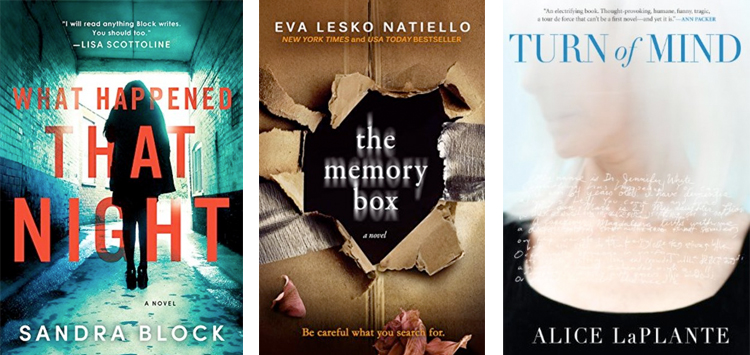
  7. This sentence wasn’t so fluent. I had to read it a few times to understand it. For example, “above their heads” could have been metaphorical instead of literal, and having that double meaning could be great, but those kinds of tricks shouldn’t get in the way of clarity. And since he’s already dead, the “was taking place” needs to change to “had taken place,” and then the “at that point” in the next para is also clear.
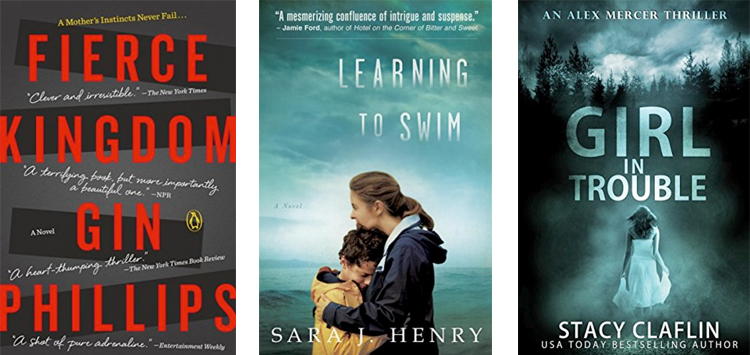
  8. I think most people know or can imagine how teenage parties can get out of hand, so you don’t really need this, and it’s already clear that Nathan doesn’t fit in with this crowd, doesn’t see himself as one of the “beautiful people.” Again, it’s too much of a generalization while this should focus more on Nathan.
  9. Making this is a new sentence adds extra emphasis to this point and to the diagnosis from the smug little shit.
  10. I have my doubts about whether the author needs this last line or not. I think ending on “I keep forgetting I’m dead,” is a stronger ending, but maybe it’s too much. “It must be the shock” sounds a little glib; it lightens the mood, which could work too. I’d have to know the tone of the rest of the story to make a final decision, but maybe the WU community could weigh in with their thoughts too. Either way, it’s a great last para.

When I first read this sample, I thought immediately of “The Lovely Bones” by Alice Sebold. And that has a prologue.

Here are the first two lines:

“My name was Salmon, like the fish; first name Susie. I was fourteen when I was murdered on December 6, 1973.”

Note the third word: was. That past tense is almost lost as you contemplate Salmon as a name. And then that killer—pun intended—second sentence.

Our sample above has that great hook too. As I mentioned, you can’t help but continue to the next line.

The second paragraph of “The Lovely Bones” gives us more details of the narrator. We get her favorite quote, which she hopes will make her sound literary. She’s in the chem and chess club, is bad at cooking class, and her favorite teacher is Mr. Botte, the biology teacher. He is not her murderer, she says, and then tells she tells us who is and how he did it.

We get all that by page two. By telling us all this, she’s saying that this is not going to be a murder mystery, it’s something else. You have to read on to find out. And that’s when you learn this is a story about how this young girl’s family struggled after her death.

What do we know about the narrator of the sample above? That he’s young, has a “pervasive developmental disorder” (the author of the sample had included a note to say that the narrator was autistic), he’s an outsider, he has a least one sibling, and he feels he is to blame for his family’s troubles. And he’s now dead.

These are all important details, but I wonder if they couldn’t come out elsewhere in the story. They seem too general to me when what we really need here are details that no other character in this story could tell us. It would be great to get specific examples of how that autism diagnosis affected him and his family. Relate one representative scene where the family blamed him. Or describe the particular event that tipped him towards considering suicide. We don’t need a lot (a prologue should be short), but specifics would boost this prologue from good to great.

That’s what makes Sebold’s prologue great. She gives us the details of Susie’s short life and how she died from Susie’s perspective. We need more of Nathan’s perspective here, to know some things that only Nathan knows.

That’s not to say this should follow some formula or should copy  “The Lovely Bones.” This is a different type of prologue anyway. Sebold’s sets up the story that will follow, while the example above starts in media res, showing us a dramatic event—the suicide—from later in the story and, I’m assuming, chapter one will take the story back in time to show us how Nathan came to that point.

But it’s the details that makes Sebold’s prologue work so well.

And a prologue has to work well. Here’s why.

Many publishers see a prologue and are immediately turned off by it. Their reasoning is that you should start the story at the start of the story, and prologues tend to mainly be backstory (as appears to be the case here too).

When considering writing a prologue, you have to ask if you can’t fit in those backstory details elsewhere, without having to shoehorn them in, of course. You have to ask if the readers really need this information up front, before the story proper starts. Only then do you need a prologue.

Readers are wise to prologues too, and many people just skip them and go straight to chapter one where they know the story really starts.

In fact, one simple way to test if your prologue is really necessary is to rename it as chapter one. If the story still flows, then you don’t need a prologue.

Prologues have been debated long and endlessly in the literary world. We’d need to know more about how this story develops to say for sure if the prologue is necessary or not. The first and last paragraphs certainly hook the reader, and there’s some great writing in between too. I’d just like to know more specifics about Nathan, to get a more detailed look at his unique view of the world. Then I’d be convinced this prologue needs to stay.

What are your thoughts on prologues? Do we need them or are we better off without them? Have you ever skipped a prologue and gone straight to chapter one?

By Jim Dempsey
Source: writerunboxed.com

Visit us at First Edition Design Publishing